Ask GRAI Anything
Your Real Estate Questions, Answered Instantly via Chat

Help us make GRAI even better by sharing your feature requests.
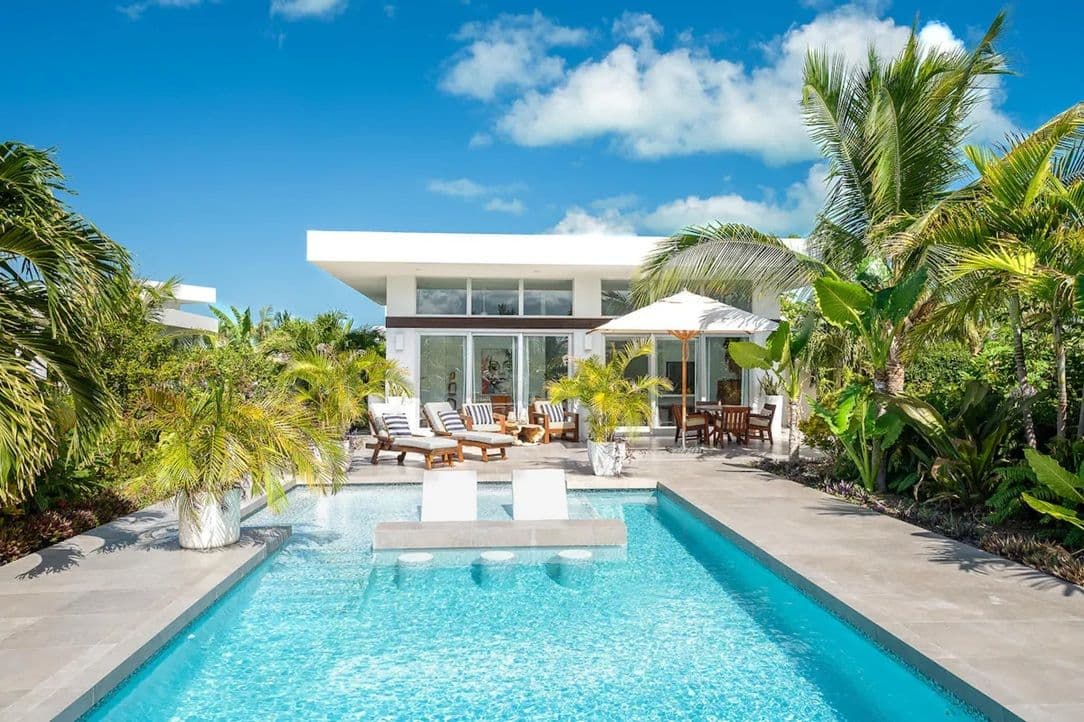
Africa’s short term rental opportunity is real in 2026, but it is uneven. The best Airbnb markets are not simply the cheapest or the prettiest. They are the cities and resort nodes where tourism, business travel, digital nomad demand, or conference traffic create durable occupancy, and where operators can actually manage licensing, security, power reliability, and costs.
For most investors, the big mistake is underwriting peak season and gross nightly rates, while ignoring shoulder season, cleaning, management, backup power, and regulation. The right way to approach Airbnb in Africa is to choose a city with a clear demand engine, buy or lease in the right neighborhood, and run the unit like a hospitality business, not a passive rental.
Africa’s travel story is getting stronger, but the opportunity is not broad based. It is clustering in specific cities and islands where international arrivals, event demand, and business travel create a real short term rental market. Morocco, for example, welcomed a record 17.4 million tourists in 2024, up 20% from 2023, while South Africa recorded 8.92 million international arrivals in 2024, up 5.1% year over year. Zanzibar also saw a record 736,755 international tourists in 2024, up 15.4% from 2023. These are not just tourism statistics, they are the demand base behind Airbnb Africa 2026.
The problem is that short term rental investment Africa is becoming a more professional market. That means the winners are increasingly those who can manage compliance, guest experience, and operating reliability. In markets with weak power supply, unclear building rules, or rising security costs, the difference between gross revenue and true net yield can be enormous. That is why Africa Airbnb opportunities should be treated as an operating business first and a real estate play second.
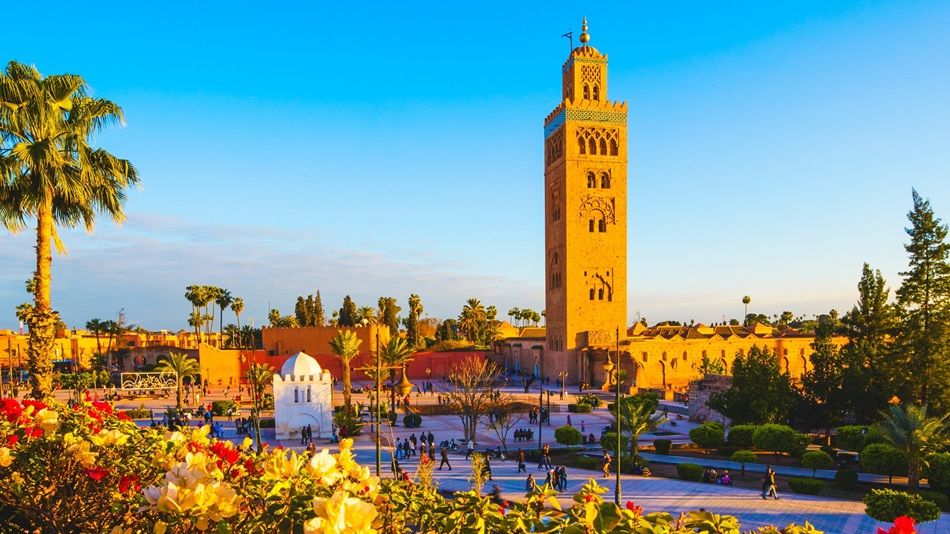
Marrakech remains one of the strongest vacation rental Africa stories because Morocco is still in expansion mode on tourism and infrastructure. Morocco’s airport authority approved a major expansion plan and the African Development Bank approved €300 million for airport upgrades ahead of the 2030 World Cup cycle, which supports the long term travel case. Marrakech also benefits from year round leisure demand and strong international brand recognition.
Why Marrakech Airbnb can work:
Strong international tourism pull
Relatively global city branding
Good fit for both short stay and premium furnished rental Africa strategies
What investors need to watch:
Old city operational complexity
Staffing and maintenance in riad style properties
Licensing and local compliance expectations
The real opportunity in Marrakech is not simply “buy a pretty riad.” It is to own a unit or property that can be operated reliably through peak and shoulder seasons without maintenance chaos.
Cape Town is one of the most visible Airbnb Africa 2026 markets because it combines global tourism appeal, remote work demand, and strong peak season pricing. South African tourism data and continued attention from global travel media support the demand side. But Cape Town also forces investors to price two variables many markets can ignore: energy resilience and security cost.
Why Cape Town Airbnb can work:
High willingness to pay in peak season
Broad global awareness
Premium neighborhoods with strong guest demand
What to watch:
Backup power expectations
Private security and building security costs
Municipal charges and operating friction
Heavy seasonality, which can distort projections
In Cape Town, net yield Airbnb is often driven less by average nightly rate and more by how well the property handles outages, security, and off season demand.
Zanzibar continues to be one of the strongest island opportunities for vacation rental Africa. Tourism data showed a record 736,755 international arrivals in 2024. The destination has strong leisure appeal and high pricing power for well located, well designed stays.
Why Zanzibar Airbnb can work:
Distinctive island brand
Strong leisure appeal
Premium experience pricing for the right product
What to watch:
Licensing and inspections
Weather and seasonality
Staffing and service consistency
Access and maintenance logistics
This is one of the clearest cases where underwriting shoulder season matters more than underwriting peak season. A Zanzibar Airbnb that only works in the strongest months is not a durable investment.
Must Read: Data centers and logistics across Africa in 2026
Nairobi is different from the classic leisure markets. It is one of the strongest business travel, NGO, and regional hub stories on the continent. Kenya’s role as an East African business center, plus conference and development sector activity, makes Nairobi particularly attractive for mid term stay demand.
Why Nairobi Airbnb can work:
Business and NGO travel demand
Strong case for 30 to 90 day rentals
Less dependence on pure leisure seasonality
What to watch:
Security and building management
Neighborhood choice, because quality differs sharply
Balancing nightly revenue goals against mid term occupancy stability
For many investors, Nairobi is less an “Airbnb hotspot” and more a short term rental investment Africa market where mid term rentals outperform nightly churn.
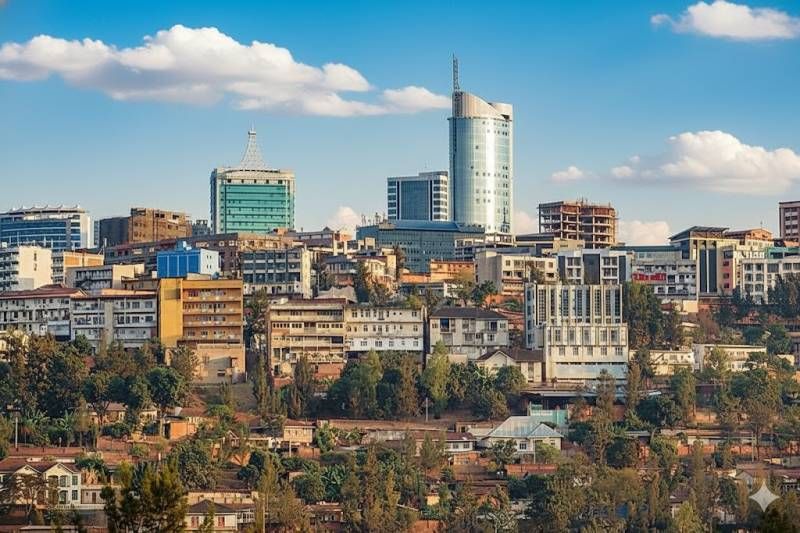
Kigali is a smaller market, but that can be an advantage for disciplined operators. Rwanda continues to position Kigali as a conference and services hub, and the city’s reputation for cleanliness and order helps support business and event led stays.
Why Kigali Airbnb can work:
Conference and business traveler demand
Cleaner, more predictable guest profile
Strong fit for furnished rental Africa and mid term stay strategies
What to watch:
Thinner market depth than larger cities
Limited margin for generic product
Lower tolerance for poor management or poor positioning
Kigali is a good example of a city where “who is the guest” matters more than “how trendy is the market.”
Cairo works because it is more than a tourism city. It also benefits from diaspora visits, business travel, medical travel, and family stays. Egypt’s tourism sector has remained large, and Cairo’s scale gives it demand diversity that resort cities often lack.
Why Cairo Airbnb can work:
Massive urban demand base
Family and longer stay potential
Diverse travel purposes
What to watch:
Building quality and management dispersion
Power, water, and maintenance reliability
Neighborhood selection, because citywide averages tell you very little
Cairo is a city where an ordinary looking unit in the right building can outperform a far prettier unit in the wrong one.
Compare Africa Airbnb markets with GRAI: https://internationalreal.estate/chat
One of the biggest strategic shifts in the Africa short term rental market is the growing relevance of mid term stays, usually 30 to 180 days. This is being driven by digital nomad demand, project based workers, corporate travelers, and families in transition. In many African cities, this strategy can reduce seasonality risk, lower cleaning and turnover costs, and create more stable occupancy than pure nightly Airbnb models. The cities where this is most relevant are Nairobi, Cape Town, Cairo, and to some extent Kigali. This is less about regulation alone and more about operating efficiency and demand durability.
Airbnb regulations in Africa are still highly local. In some markets, city level licensing matters. In others, the real blocker is building rules, HOA style bylaws, or local enforcement. This is especially relevant in South Africa and Morocco, where compliance expectations are rising and tourism intensive cities are increasingly aware of short stay impacts.
Peak season makes bad deals look good. Shoulder season reveals the truth. Any Airbnb investment checklist for Africa should include:
Peak month occupancy
Shoulder month occupancy
Discounting required in slow months
Minimum break even occupancy
If your property only works in holiday periods, you do not have a strong business.
In markets where outages are part of life, power reliability is a first class variable. Cape Town and parts of South Africa are the clearest examples, but this also matters in other cities where utility stability varies by building and district. A property with backup power often commands a resilience premium in both occupancy and reviews.
In many African markets, security is not optional. It is part of the operating budget. That means:
Private security or secure building access
Guest arrival convenience
Neighborhood perception
Insurance implications
A property that feels unsafe or hard to access will underperform even if it is well designed.
The cleaner the market story, the easier it is to forget the operator gap. But the difference between a good Airbnb Africa asset and a painful one is often:
Response time
Cleaning consistency
Dynamic pricing
Maintenance speed
Local team quality
This is why property management belongs in the underwriting, not as an afterthought.
Is the city driven by tourism, business travel, conferences, digital nomads, or all of the above
Is demand seasonal, year round, or event driven
Is the city already crowded with generic Airbnb inventory
Does short term rental licensing or registration apply
Does the building allow short stays
Are taxes and local filings clear
Is there reliable backup power
Is water reliability acceptable
Is the unit walkable, safe, and easy for guests to access
Does the building have competent management
What is the real net yield after platform fees, cleaning, management, maintenance reserve, insurance, and vacancy
What is break even occupancy in shoulder season
Can the unit pivot to a mid term rental or long term rental if rules tighten
If Airbnb economics weaken, who is the next buyer
Does the property also make sense as a standard residential asset
What discount would be required for a quick sale
Get Handy Airbnb investment checklist for Africa with GRAI: https://internationalreal.estate/chat
Africa Airbnb 2026 is a real opportunity, but it is not a passive one. The strongest cities, Marrakech, Cape Town, Zanzibar, Nairobi, Kigali, and Cairo, each work for different reasons. Some are leisure led. Some are business led. Some are conference or digital nomad led. But the common thread is the same: the best performing units tend to be the ones where compliance is clear, reliability is high, and the host treats the property like a hospitality operation.
This is exactly where the GRAI real estate AI platform becomes useful. It helps investors compare cities, neighborhoods, seasons, and net yield, then pressure test the downside before committing capital.
“Compare Marrakech, Cape Town, Zanzibar, Nairobi, Kigali, and Cairo for 2026 short term rental demand, seasonality risk, regulation risk, and net yield potential.”
“For this address, model base season, shoulder season, and forced pivot to 90 day rentals, then show worst case cashflow.”
“Build a city specific Airbnb investment checklist including licensing, building rules, security, backup power, and management requirements.”
“Estimate true net yield after cleaning, management, maintenance reserve, insurance, and vacancy, then show the minimum occupancy required to break even.”
Get to know more about Airbnb opportunities in Africa: https://internationalreal.estate/
The strongest opportunities going into 2026 are generally in Marrakech, Cape Town, Zanzibar, Nairobi, Kigali, and Cairo, because these cities combine durable travel demand with enough infrastructure and visibility to support short term rentals.
Not always. In some cities it is tourism led, such as Marrakech and Zanzibar. In others, such as Nairobi and Kigali, conference and business travel can be just as important. Cairo also benefits from diaspora, medical, and family travel, while Cape Town blends leisure and remote work demand.
The biggest mistake is underwriting peak season as if it is normal demand, then ignoring net costs like security, backup power, cleaning, management, and compliance.
In several African markets, especially Nairobi, Cape Town, Cairo, and Kigali, mid term rentals can be more resilient because they reduce seasonality exposure and turnover costs.
Check licensing, building rules, neighborhood safety, backup power, water reliability, shoulder season occupancy, management quality, and whether the property can pivot to mid term or long term rental if needed.
Because guest experience and net yield are directly affected by outages, safety perception, and the cost of making the property reliably livable.
Africa’s Airbnb opportunity in 2026 is real, but it rewards discipline far more than hype. The best results are likely to come from cities with a clear demand engine, reliable operations, and properties that can adapt if regulations or seasonality shift. Investors who underwrite net yield, backup power, security, management quality, and exit flexibility will be in a far stronger position than those chasing peak season headlines alone


