Ask GRAI Anything
Your Real Estate Questions, Answered Instantly via Chat

Help us make GRAI even better by sharing your feature requests.

Greece is one of the clearest examples of a European market where demand is colliding with a visible supply shortage, and policy is now actively steering outcomes.
A Reuters report published February 11, 2026 highlighted that Athens rents rose more than 50% between 2019 and 2024, while average incomes rose about 27% over the same period.
That same report cited research and ministry data suggesting:
A shortage of about 180,000 homes for rent or sale in big Greek cities
Over 150,000 homes converted to short term rentals
Home ownership falling below 70% in 2024, down from 77% in 2009
Investor implication
When housing stress becomes political, regulation risk rises, especially for short term rentals and investor owned inventory in central districts.
Bank of Greece data for Q3 2025 reported apartment price growth of 7.7% year on year nationally, with regional dispersion:
Athens: 6.6%
Thessaloniki: 9.6%
Other cities: 8.9%
Other areas: 8.5%
Investor implication
Greece is not one trade. Liquidity, demand drivers, and regulation exposure vary sharply by micro market.
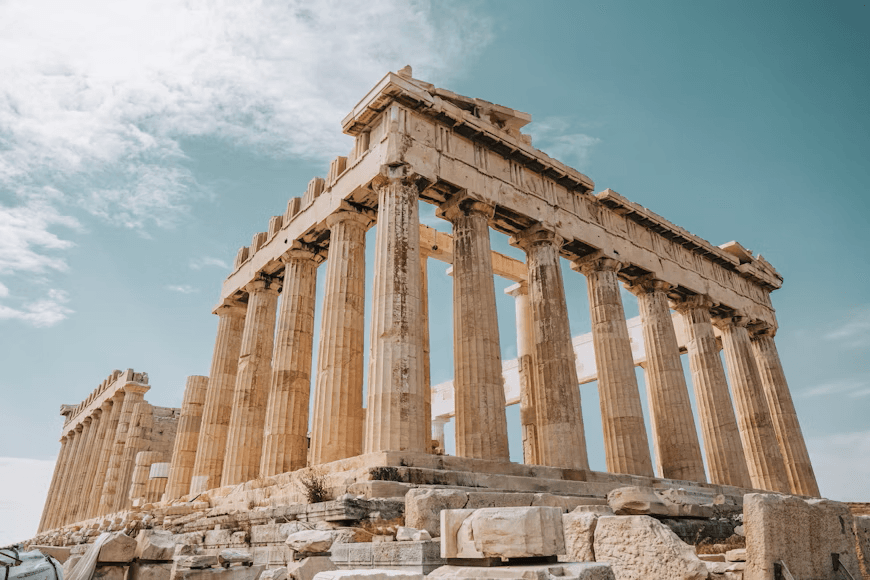
Why it leads
Deepest buyer pool and the most consistent resale liquidity in Greece
Strong mix of domestic demand, diaspora demand, and international capital
What is changing
Best fit strategies in 2026
Core long term rentals in neighborhoods with durable year round demand
Renovation and reposition plays only when permitting timelines and capex are clearly priced in
Short term rental exposure only when registration and local constraints are clearly understood, and the downside pivot still works
Why it is getting attention
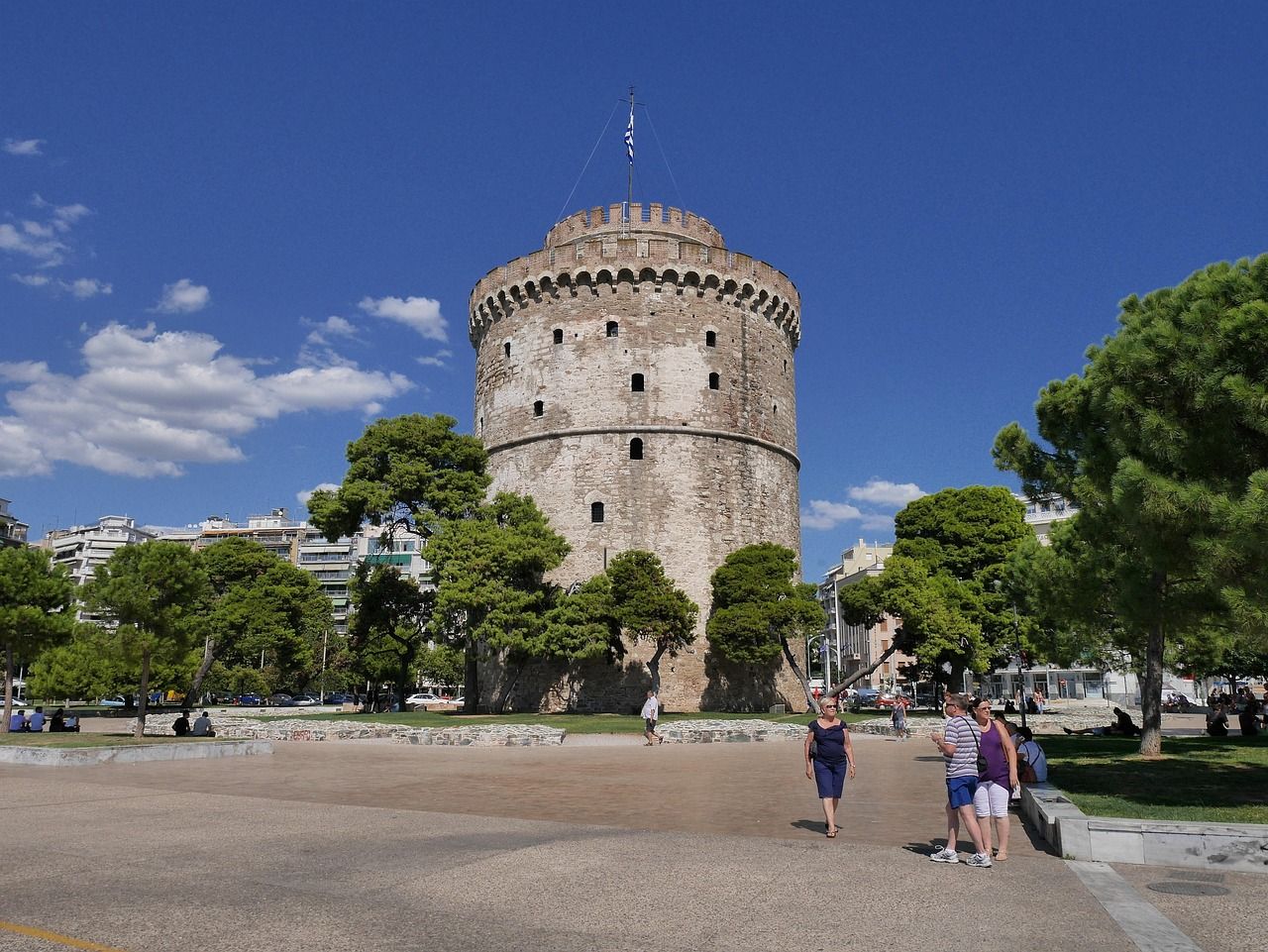
It is outperforming Athens on recent apartment price growth in Bank of Greece data
Structural demand drivers can be strong, including student and regional business activity, depending on micro location
Best fit strategies in 2026
Yield focused residential with conservative capex assumptions
Avoiding fragile buildings where surprises can wipe out the yield story
Why they move
What investors must underwrite
Base season and weak season economics, not peak season optimism
Total cost of ownership including maintenance intensity in coastal environments
Short term rental legal durability in the exact municipality and building, not just “Greece allows STRs”
Greece’s Golden Visa route still exists, but the thresholds and qualifying routes have shifted, and they now influence which segments see incremental demand.
A commonly referenced structure, reflected in specialist program summaries and legal commentary, includes:
€800,000 minimum in high demand areas, typically for a single property of at least 120 square meters
€400,000 minimum in other zones, typically for a single property of at least 120 square meters
€250,000 routes tied to specific categories such as conversions or listed building restorations
Investor implication
Do not treat Golden Visa demand as generic demand. It is segmented and threshold driven, which can create localized price pressure in qualifying inventory, while leaving non qualifying inventory to trade purely on fundamentals.
Greece implemented a new legal framework for short term rentals effective October 1, 2025, with strengthened standards, licensing rules, and inspections, aimed at housing pressure in destinations such as Athens and Santorini.
Investor implication
In a tightening environment, the value gap between compliant, durable inventory and fragile inventory can widen, and that gap shows up in both income stability and resale liquidity.
Year round urban demand, typically Athens core, Athens ring, Thessaloniki core
Lifestyle and tourism demand, islands and resort corridors, with higher seasonality risk
Residency driven demand, Golden Visa aligned inventory, with rule dependency
Your model should survive if your strategy has to change.
Examples
If STR income is disrupted, what long term rent covers your costs
If resale liquidity weakens, what discount clears in a 90 day sale scenario
If renovation timelines slip, what cash drag does it create
Ask the uncomfortable questions early:
Who is the next buyer at this price point
How often does this micro market actually trade
What happens to time on market in a soft year
Plan Your Greece Investment Strategy with GRAI: https://internationalreal.estate/chat
Greece is investable in 2026, but the easy story is gone. The market is being shaped by a housing shortage, strong rent pressure, and policy that is actively steering investor behavior.
The edge is not in finding the prettiest listing. The edge is in underwriting:
Regulatory durability
Total cost of ownership
Buyer pool depth
Exit liquidity under stress
This is exactly where the GRAI real estate AI platform helps, because it can compress weeks of fragmented research into a scenario based underwriting workflow.
GRAI prompts you can use
“Compare Athens, Thessaloniki, and my target island for 2026, score each on resale liquidity, rental stability, seasonality risk, and regulatory risk, then recommend the best strategy by budget.”
“For this Athens neighborhood, estimate buyer pool depth at my price point, and model a forced 90 day sale, what discount is likely required to clear.”
“Model two income cases for this property, compliant STR and long term rental pivot, show break even rent, net yield, and worst case cashflow.”
“If I am targeting Golden Visa, map the current threshold tiers and identify property types that stay liquid even if visa driven demand cools.”
You can run these on internationalreal.estate
Yes, Greece real estate remains investable in 2026, but it is no longer a “buy anywhere” market. Athens offers the strongest resale liquidity, Thessaloniki is showing faster recent price growth, and island markets remain premium but seasonal. Investors must now underwrite regulatory risk, rental durability, and exit liquidity rather than relying only on tourism-driven appreciation.
In 2026, Greece’s Golden Visa program operates under tiered investment thresholds. High-demand areas typically require a minimum €800,000 investment, other zones around €400,000, while certain renovation or conversion categories may qualify at €250,000. These thresholds directly influence where foreign demand concentrates and can create localized price pressure in qualifying inventory.
As of October 2025, Greece implemented a stricter legal framework for short-term rentals, including enhanced registration, compliance standards, and inspections. The goal is to address housing shortages in cities like Athens and tourist-heavy destinations. Investors must verify municipality-level rules, building restrictions, and compliance costs before underwriting STR income assumptions.
Athens remains the most liquid rental market due to year-round domestic and international demand. Thessaloniki has shown stronger recent price growth and can offer yield-focused opportunities depending on micro-location. Island markets may produce higher seasonal income but carry greater volatility and regulatory exposure. Yield quality depends heavily on neighborhood selection and exit depth.
The main risks include regulatory tightening on short-term rentals, Golden Visa rule dependency, seasonality in island markets, renovation cost overruns, and limited liquidity in smaller micro-markets. Investors should model pivot scenarios, such as switching from STR to long-term rental, and stress-test resale timelines before committing capital.
Greece in 2026 rewards disciplined investors. Athens remains the liquidity anchor, Thessaloniki is showing strong momentum, and the islands can still work when you underwrite seasonality and regulatory durability properly.
If you want a repeatable edge, treat Greece as a micro market selection problem, not a country story, and use a real estate AI platform like GRAI to stress test the downside before you commit.


