Ask GRAI Anything
Your Real Estate Questions, Answered Instantly via Chat

Help us make GRAI even better by sharing your feature requests.
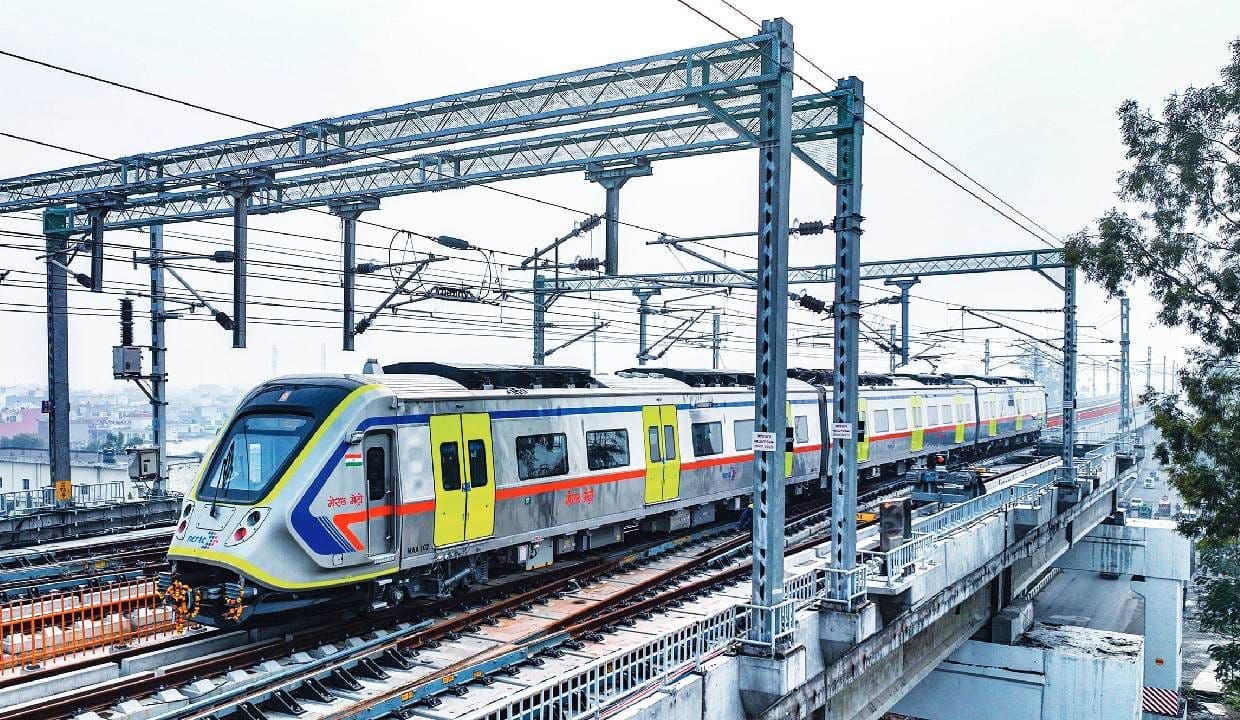
India’s transit premium in 2026 is real, but it is highly uneven. Metro corridor real estate and rail corridor real estate are outperforming where infrastructure is reducing real commute pain, improving rental demand, and deepening the buyer pool. Bengaluru is the clearest live case, with metro connected areas reportedly seeing 8% to 19% higher housing demand and stronger rentals.
Noida and Greater Noida are benefiting from expressway and metro linked live work demand, while Pune shows why last mile connectivity and feeder systems can determine whether a station becomes a real livability premium or just a marketing story. The winning trade is not simply “buy near the station.” It is buying where transit, office catchment, social infrastructure, and limited competing supply overlap.
India real estate 2026 is no longer being driven only by square footage and neighborhood reputation. It is being reshaped by time saved. In cities where commute pain has become a daily tax, transit connected housing is increasingly valued not just for convenience, but for life quality. That shift is showing up first in buyer demand, rental demand, and neighborhood retail activity near metro corridors and expressway linked rail catchments. Recent Bengaluru coverage reported that housing demand near metro connected areas rose 8% to 19%, while rentals also moved higher as tenants prioritized shorter commutes.
This matters because a transit premium is different from a simple infrastructure story. A highway, metro line, or rail extension only creates durable real estate value when it changes actual behavior. If people save time, can reach offices more easily, and can use the neighborhood without friction, then a station catchment can support a livability premium, stronger rental premium near metro, and better resale liquidity. If not, the area can still be priced like a winner while behaving like speculative inventory.
The phrase “buy near infrastructure” sounds smart until everyone repeats it. In practice, metro corridor real estate can produce very different outcomes depending on what sits around the line.
A station catchment is stronger when it has:
Working last mile access
Visible office catchment or job linkage
Social infrastructure such as schools, groceries, healthcare, and services
Real rental premium support
Limited direct competing supply at the same price and product type
A station catchment is weaker when it has:
Poor last mile access
Many launches but weak end user demand
Prices rising faster than rents
A story driven premium without visible day to day livability
That is why corridor pricing in 2026 needs to be underwritten neighborhood by neighborhood, not by route map alone.
Bengaluru metro real estate is the cleanest case study because all the drivers are already visible. The city has severe commute pain, deep office demand, and a tenant base willing to pay for shorter travel times. Hindustan Times reported that metro connectivity was pushing 8% to 19% increases in housing demand around linked neighborhoods, while rentals also rose as buyers and tenants prioritized shorter commutes. Additional coverage highlighted that prices and rents near certain established metro linked neighborhoods were outperforming broader city averages.
What makes Bengaluru’s transit premium more believable than in many other cities is that the demand is already anchored by employment. The city does not need transit to create jobs, it needs transit to reduce friction between jobs and homes. That makes the infrastructure premium more durable.
Where the risk sits in Bengaluru:
Corridors where prices are already assuming several years of future demand
Neighborhoods that are “near the station” on paper but still weak on last mile access
Areas where too much similar apartment supply can cap future resale liquidity
In simple terms, Bengaluru rental premium near metro looks real, but not every metro stop deserves the same premium.
Also Read: How is the Bengaluru Real Estate Residential Market Affected by IT Sector Layoffs?
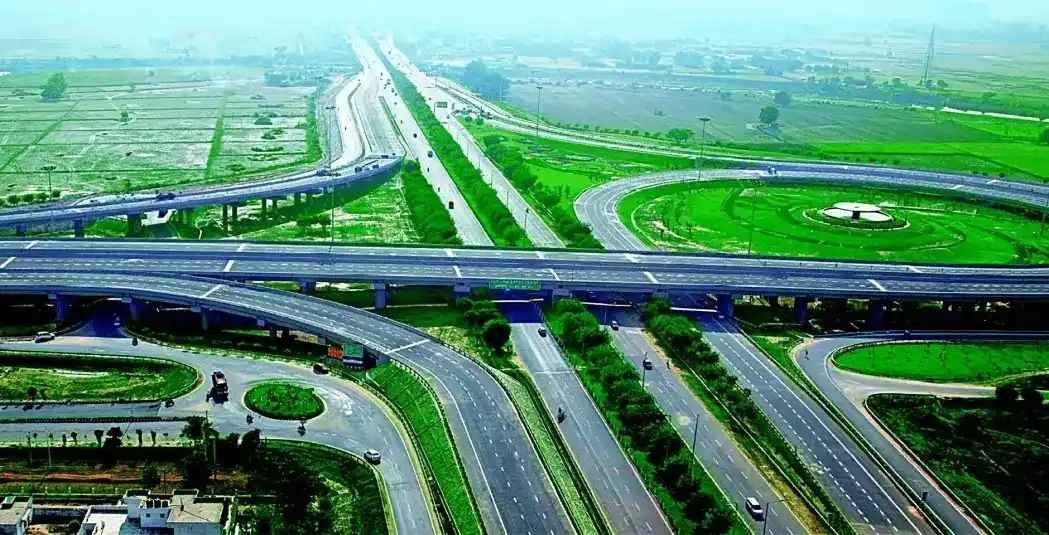
Noida and Greater Noida show a slightly different version of the transit premium. Here, the story is not only about metro lines. It is about the interaction between expressways, metro expansion, large employment catchments, and relative affordability. Market commentary and local reports in 2026 have consistently linked stronger housing demand to connectivity improvements in the Noida and Greater Noida region, including expressway led growth, airport linked infrastructure, and metro expansion.
Why Noida looks interesting:
It still offers relative affordability compared with some other NCR markets
Expressway and transit infrastructure reinforce each other
Office and mixed use demand can support end user depth
Why caution is still needed:
Some stretches are being sold more on future promise than current livability
Supply pipeline matters a lot, because too much similar stock can flatten returns
The real test is whether end user demand supports current prices, not whether another investor may pay more later
Noida metro housing demand can be real when the station catchment works as a live work corridor. It becomes fragile when it is only a launch corridor.
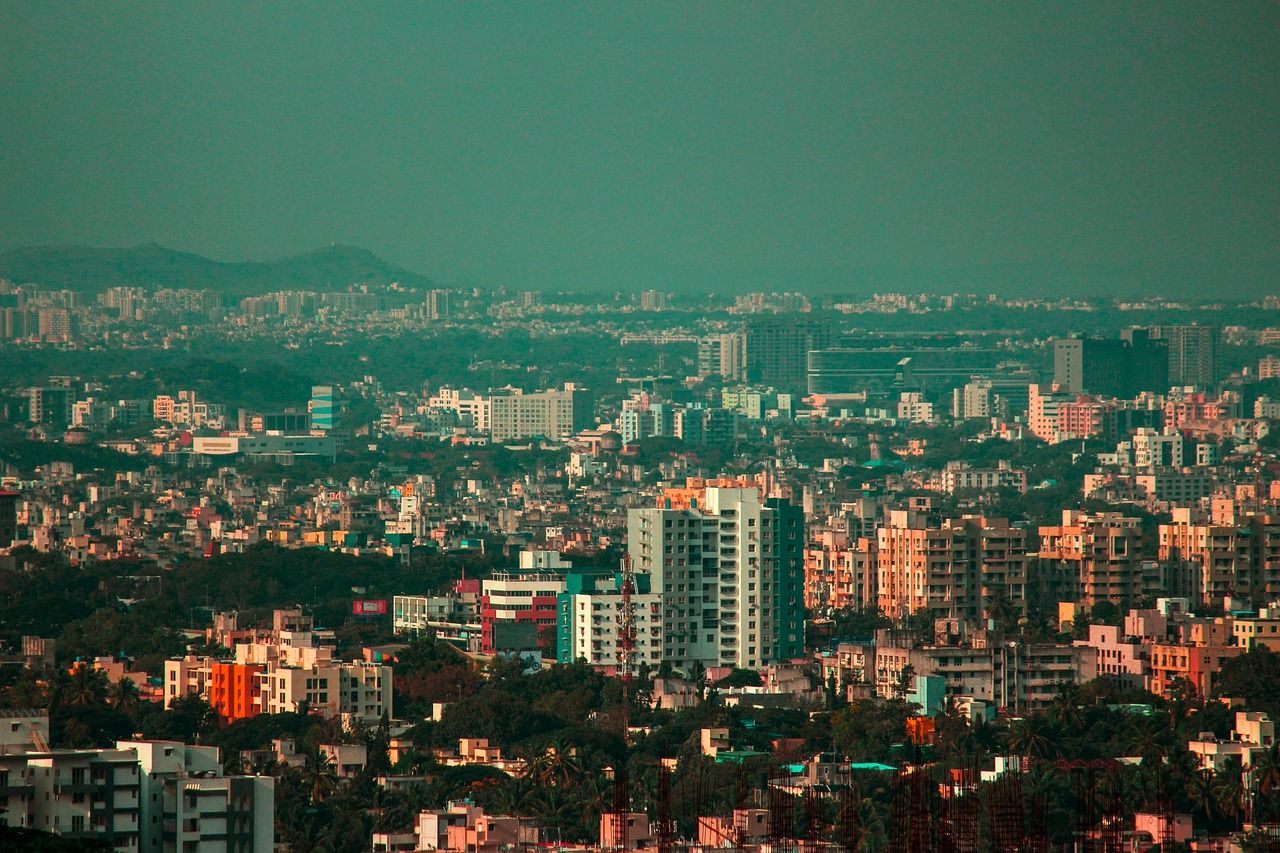
Pune is one of the most important cities for understanding why transit adjacency premium is not enough. The city has strong office demand, a growing metro narrative, and several neighborhoods where transit linked housing could benefit. But Pune also illustrates a more practical truth, a station is only as valuable as the network that feeds into it. Recent reporting showed that Maha Metro invited private agencies to improve feeder bus services around operational stations, highlighting persistent commuter complaints and the need for better first and last mile connectivity.
At the same time, Pune Metro’s project updates show ongoing corridor work and extensions, which means some areas are still in the “future access” phase rather than the “mature livability” phase.
This matters because Pune metro real estate can outperform only when:
The station is usable in a practical daily routine
Feeder connectivity works
Nearby services and job nodes already support the housing story
Pune is the best case study for why last mile connectivity real estate is not a detail. It is the difference between a real premium and a brochure premium.
A transit oriented development India story works best when four things line up.
If a line meaningfully reduces travel time for renters, workers, or families, the infrastructure premium becomes durable.
The healthiest transit premium is one supported by people who want to live there, not only by investors hoping to flip into the story.
Retail, schools, clinics, walkability, feeder services, and basic convenience matter more than distance to a station alone.
If every developer launches the same product near the same corridor, rental premium and resale liquidity can weaken even if the transit line is successful.
A good transit corridor investment should answer these questions clearly.
Is the current rental premium near metro supported by actual tenant behavior
Is there price to rent support, or are prices running ahead of rents
How deep is the buyer pool at this price point
What social infrastructure exists today, not just what is promised
How strong is the office catchment within practical commute distance
What is the supply pipeline in the next three to five years
If the market slows, does this remain a desirable place to live, or just a well located asset on paper
If too many of those answers are vague, the corridor may already be overpriced.
Analyze if your real estate investment strategy will make money: https://internationalreal.estate/chat
One reason this topic matters beyond investors is that transit connected housing affects city competitiveness. When transit reduces commute pain and improves rental options, it shapes where people choose to work, rent, and buy. In cities such as Bengaluru, where office demand remains deep, better transit does not just support housing demand. It can also support talent mobility and employer attractiveness by making the city more usable.
This is why India’s transit premium in 2026 is not only a real estate story. It is also a labor market and productivity story.
The 2026 commute trade is real, but it is not generic. Bengaluru is the strongest example of a functioning transit premium because office depth, commuter pain, and tenant willingness to pay are already aligned. Noida looks compelling where expressway, metro, and employment clusters create a real live work corridor. Pune has genuine upside, but it also proves that last mile access and feeder systems can make or break the investment case.
The weakest corridor trades are usually the ones where the station is real, but the neighborhood thesis is still imaginary.
Use GRAI to compare station catchments, not just cities.
Prompts to run:
“Compare major transit corridors in Bengaluru, Noida, and Pune by rental premium, end user demand, office catchment, and oversupply risk.”
“For this metro station catchment, estimate whether current prices are supported by rent growth and buyer pool depth.”
“Rank transit connected neighborhoods by real livability, last mile quality, feeder connectivity, and resale liquidity.”
“Model a 3 year and 5 year exit for this unit near a new corridor, including supply competition and a weaker market scenario.”
Run all these scenarios at : https://internationalreal.estate/
It is the price and rent premium that homes near metro or rail corridors can command when connectivity reduces real commute friction and improves daily livability.
Bengaluru is the clearest current example, with recent reporting showing 8% to 19% higher housing demand in metro connected areas along with stronger rentals.
No. A station only creates durable value when last mile access, office catchment, social infrastructure, and manageable supply also support the neighborhood.
Because a station people cannot easily reach or use in daily life does not create the same livability premium. Pune is a strong example of why feeder systems matter.
Yes, but the strongest case is where metro, expressway connectivity, and office or mixed use demand reinforce one another. Purely speculative stretches are riskier.
Treating every corridor as equally investable and ignoring rent support, supply pipeline, buyer pool depth, and actual livability.
India’s transit premium in 2026 is real, but it is not automatic. The strongest opportunities sit in corridors where metro or rail access is already reducing commute pain, supporting rental demand, and improving daily livability. Bengaluru stands out as the clearest example, while Noida and Pune show that infrastructure only creates lasting value when office catchment, feeder connectivity, and manageable supply also support the market. The smarter trade is not simply buying near a station, but identifying where transit is doing real economic work and where prices are still justified by rents, end user demand, and resale depth.


