Ask GRAI Anything
Your Real Estate Questions, Answered Instantly via Chat

Help us make GRAI even better by sharing your feature requests.
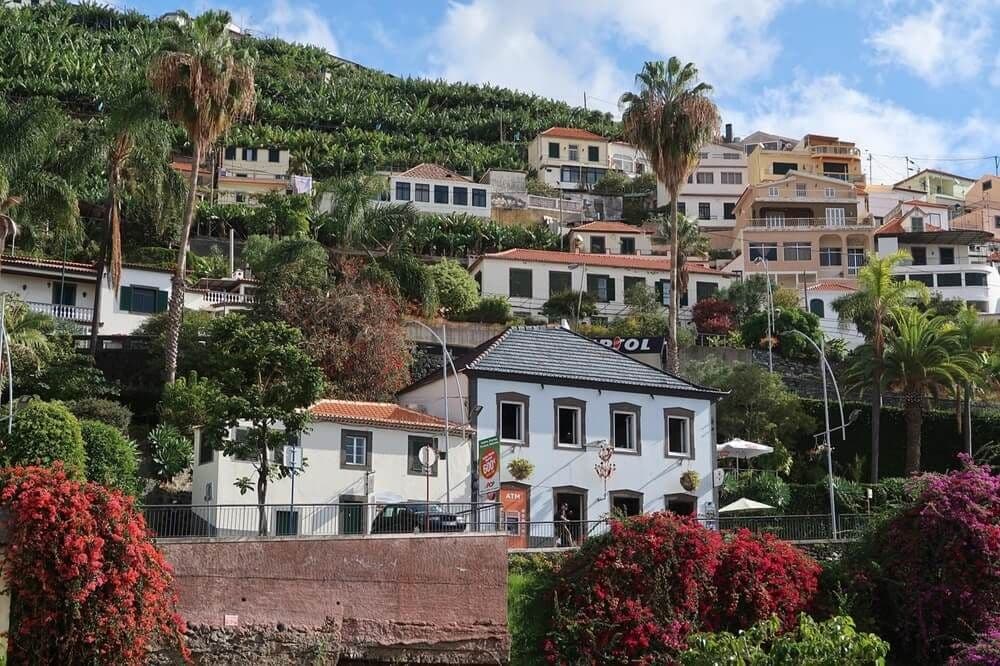
Madeira is no longer just a travel story. It is a live real estate experiment. The island’s official digital nomad ecosystem, anchored by Startup Madeira’s Nomad Village in Ponta do Sol, helped turn Madeira into one of the world’s best known remote work destinations. The European Parliament’s 2025 Madeira fact finding report says the island has marketed itself to remote workers since 2021 and expanded the initiative beyond Ponta do Sol into other locations. At the same time, the same European Parliament reporting says digital nomads and remote workers have increasingly relocated to Madeira, buying homes and pushing prices upward.
Portugal’s broader housing backdrop is also under strain: the OECD’s 2026 Portugal survey says structural weaknesses and resurging demand have undermined affordability, while OECD commentary says housing prices in Portugal have doubled over the past decade. That makes Madeira much more than a lifestyle hotspot. It is a case study in what happens when global remote income meets finite island housing supply.
Most writing about digital nomad destinations stays trapped in lifestyle language. Great weather, good Wi-Fi, lower cost than London or New York, nice cafés, ocean views. That is useful for travel. It is not enough for property analysis.
Madeira matters because it has moved beyond casual popularity into institutional place branding. Startup Madeira’s official digital nomad platform markets Ponta do Sol as a “Nomad Village” with coworking, events, and a built community. The European Parliament’s Madeira mission report confirms the regional government and Startup Madeira have actively marketed the island to remote workers since 2021 and that the concept spread beyond its original Ponta do Sol base. That is what turns a travel trend into a real estate signal. When remote worker demand is backed by branding, infrastructure, and community, the premium can last longer than a simple social media wave. That is what turns a travel trend into a real estate signal, similar to how digital nomads are increasingly using global property markets to build long term wealth.
That question has already been answered. The better question is whether the digital nomad boom created:
A temporary rental spike or
A housing squeeze that is politically and socially hard to sustain
The European Parliament report is unusually direct on this point. It says digital nomads and remote workers have increasingly relocated to Madeira, buying houses and pushing prices upward. That matters because it moves the conversation beyond hype. It confirms that the impact is not only anecdotal. Housing pressure is part of the actual policy conversation around the island.
A lot of digital nomad hotspots fade because the demand is too shallow, too seasonal, or too socially performative. Madeira may be different for three reasons.
First, it has official infrastructure. Ponta do Sol is not simply “popular with nomads.” It is structured around coworking, events, and a repeatable community model. Second, the island has a strong lifestyle package, climate, scenery, safety, and European access. Third, Madeira’s digital nomad identity has now had several years to mature since 2021, which means it has had time to move from novelty into a recognized market niche. The European Parliament’s report explicitly describes the initiative as part of the island’s positioning toward remote workers, while Startup Madeira continues to market the ecosystem as active and welcoming.
Those factors matter because durable real estate premiums usually come from:
Repeatable demand
Place identity
User infrastructure and
Enough market awareness that the location becomes self reinforcing
Madeira now appears to have all four.
The bullish case should not be confused with a socially neutral outcome. The same factors that create investor interest can worsen local housing pressure. The European Parliament’s 2026 mission material says remote workers and digital nomads have been pushing prices upward. Portugal’s broader affordability challenge gives that point even more weight. The OECD’s 2026 Portugal survey says housing affordability has been undermined by long standing structural weaknesses compounded by resurging demand, and OECD commentary says prices have doubled over the past decade. In other words, Madeira’s local tension sits inside a larger Portuguese housing problem, not outside it.
That is why the Madeira story is not simply “nomads came, property rose.” It is:
Outside demand increased
Local supply stayed tight and
The affordability burden became harder to ignore
One of the biggest mistakes investors make is treating an island like one unified property trade. It is not. Ponta do Sol matters because it is the symbolic center of the official nomad ecosystem.
For a digital nomad buyer or long stay rental investor, that brings obvious advantages:
Brand recognition
Coworking adjacency
Community effects
Social proof
Funchal matters for a different reason. It has broader city functionality, deeper services, and a wider renter and buyer base beyond nomads alone. That usually makes it more resilient if the remote work narrative cools. The key insight is that Ponta do Sol may carry more direct nomad premium, while Funchal may offer stronger diversification of demand. That distinction is essential if you are using a GRAI real estate AI platform to compare submarkets rather than buying the island story blindly. The official digital nomad ecosystem centers Ponta do Sol, but the island’s wider property resilience likely depends on locations with broader demand anchors too.
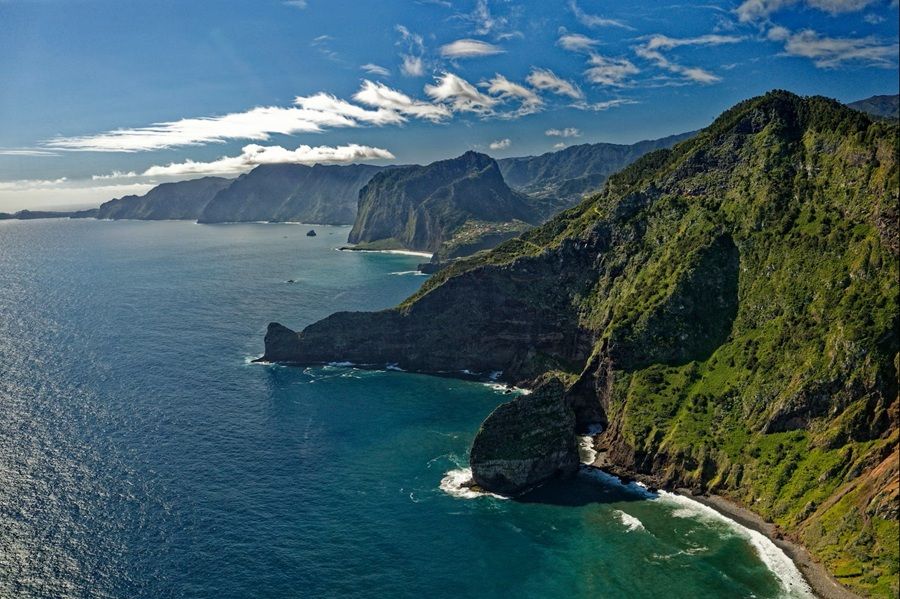
The strongest candidates are not simply “anything beautiful in Madeira.”
The more durable assets are likely to be:
Smaller or mid sized units suited to long stays
Homes with strong internet and work friendly layouts
Properties near coworking or town centers
Apartments or homes with walkable daily convenience
Stock that appeals to both nomads and conventional renters or buyers
That last point matters most. A digital nomad hotspot property becomes fragile when it only works for one narrative. It becomes stronger when it still makes sense for a long stay local professional, retiree, hybrid worker, or second home buyer. In other words, the best Madeira property investment is not the asset most optimized for hype. It is the asset that still works when hype softens.
Explore how GRAI can help you navigate Madeira's unique real estate dynamics: https://internationalreal.estate/chat
Investors often focus on demand continuity and ignore social response. That is a mistake in Madeira.
Portugal is already treating housing as a serious affordability issue. The OECD’s 2026 survey and Portugal specific affordability commentary both stress that supply constraints and stronger demand have made access to housing harder, especially for younger households and families. When a small market like Madeira becomes known for outsider driven housing pressure, it becomes more politically visible. That does not mean the island suddenly turns hostile to digital nomads. It does mean investors should treat regulatory or political friction as a real variable, especially if the affordability debate intensifies further.
This is why a real estate AI platform like GRAI is useful here. The real question is not only “will rents hold.” It is also:
What happens if housing regulation tightens
What happens if local resistance hardens and
What demand remains if the island is no longer marketed so aggressively to remote workers
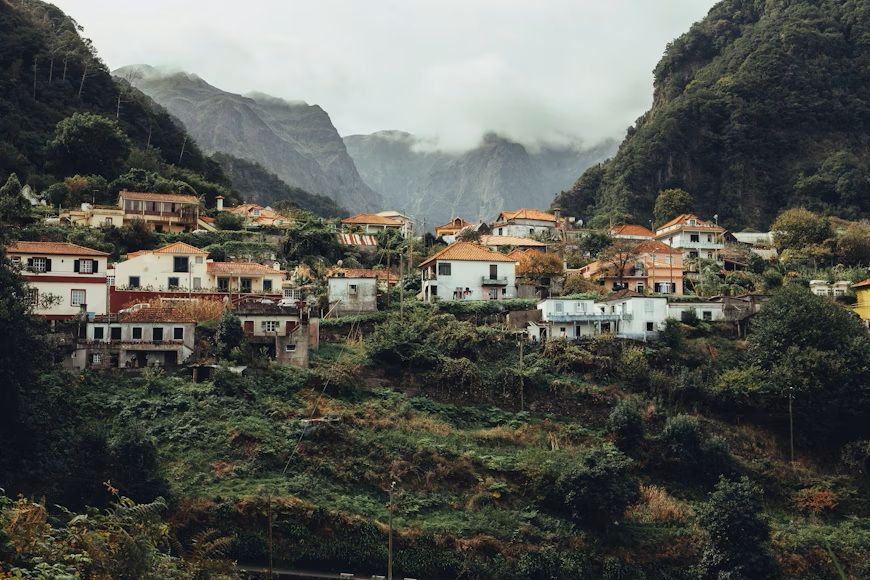
This is the question many investors actually want answered.
The honest answer is that Madeira is no longer early in narrative terms. The digital nomad identity is now well established. But it may still be early in terms of professionalized property analysis. Many people still think about Madeira through travel content rather than market structure, even though the bigger question is digital nomad property durability and whether these markets can sustain long term demand
If you believe:
Remote work remains structurally important
Madeira keeps its place branding and
The island retains enough openness and livability for nomads
then the premium may be durable.
If you believe:
Affordability pressure triggers political friction
The nomad label peaks and cools or
Too much buying has already priced in the story
then the trade becomes much less forgiving.
The right answer is probably not binary. Madeira can have a real premium and still be vulnerable to overheating in specific submarkets.
The right framework has five layers.
Is the property exposed to real long stay demand, or mainly to short term location fashion?
Does the area work only because of nomads, or because it has broader residential functionality?
Could local housing stress create reputational, political, or regulatory friction?
Can the property pivot between long stay tenants, owner use, and resale without losing its investment case?
Who is the next buyer if the nomad wave cools?
That last point is critical. A strong property in Madeira should still appeal to more than just the next wave of remote workers.
This is where the GRAI real estate AI platform fits naturally. Madeira is not a simple yield story and not a simple lifestyle story.
It is a collision of:
Remote work demand
Island supply constraints
Place branding
Affordability pressure and
Submarket specific resilience
GRAI should help users go beyond “Madeira is hot” and answer:
Which neighborhoods have the strongest long stay demand
Which properties still work without the digital nomad label
How much of the pricing premium is narrative versus economics and
What downside emerges if regulation, affordability politics, or demand patterns change
That is much more valuable than generic hotspot content.
“Compare Ponta do Sol and Funchal as property markets under a digital nomad demand scenario, including rental support, buyer depth, and affordability pressure.”
“Tell me whether this Madeira property is benefiting from a durable digital nomad premium or just temporary hotspot hype.”
“Stress test a Madeira rental investment if housing regulation tightens or digital nomad demand cools.”
“Compare Madeira with Bali, Tbilisi, and Chiang Mai on digital nomad property durability, not just lifestyle appeal.”
“Show me which Madeira submarkets still work if nomad demand slows but local affordability pressure rises.”
Ask GRAI anything - from Madeira's submarket comparisons to full investment stress tests: https://internationalreal.estate/chat
It can be, but the answer depends heavily on submarket, property type, and how much of the investment case relies on continued digital nomad demand. The official nomad ecosystem is real, but so is the housing pressure.
Yes, official European Parliament reporting says digital nomads and remote workers have increasingly relocated to Madeira, buying homes and pushing prices upward.
It is the official remote work community initiative in Ponta do Sol, promoted by Startup Madeira, with coworking, events, and community infrastructure for digital nomads.
It may offer the clearest direct digital nomad premium, but that also means it may be more exposed to hype and policy sensitivity. Funchal may offer broader demand resilience because it has stronger city functionality.
Because Madeira’s affordability pressure sits inside a national context where the OECD says structural housing weaknesses and resurging demand have undermined affordability. That raises the chances that local tension becomes politically relevant.
It could, because the island has branding, infrastructure, and repeatable demand. But durability depends on whether the market keeps attracting long stay remote workers without generating so much housing stress that politics or regulation push back.
Properties that work for long stay renters, have strong connectivity, good location efficiency, and appeal to both nomads and more conventional buyers are likely to be stronger than assets that rely purely on trend appeal.
At this point it is both. The lifestyle narrative brought attention, but official programs and documented housing pressure suggest the real estate effects are no longer superficial.
Yes. A real estate AI platform like GRAI can compare submarkets, stress test demand durability, and model what happens when local politics, affordability, and renter mix change.
Madeira is one of the clearest examples in the world of how remote work can reshape a housing market.
The island now has:
A real digital nomad brand
Real infrastructure
Real outside demand and
Real housing pressure
That means the property premium may be genuine.
But so is the squeeze.
The smartest way to approach Madeira in 2026 is not to ask whether it is popular. That is already settled. The real question is whether a specific property still works when you strip away the hotspot narrative and test it against submarket depth, local affordability tension, and long term exit quality.
That is the kind of analysis a GRAI real estate AI platform should be built for.


