Ask GRAI Anything
Your Real Estate Questions, Answered Instantly via Chat

Help us make GRAI even better by sharing your feature requests.
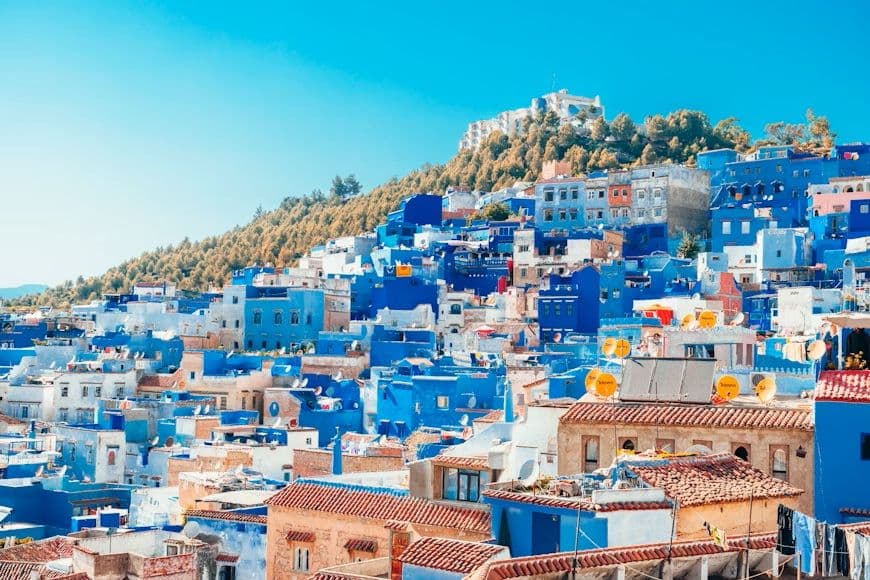
Morocco real estate in 2026 is no longer a simple tourism story. It is a split market shaped by record visitor growth, stronger second home demand, improving macro stability, and a widening premium for properties that have a clean short term rental path or a durable long term rental fallback. Marrakech remains the clearest lifestyle and STR market, Casablanca is the deepest year round liquidity market, Tangier is the crossover city where port growth meets coastal demand, and Agadir is more seasonal and more sensitive to execution.
The best opportunities sit where tourism, livability, and resale liquidity overlap. The biggest risks sit in beautiful but operationally fragile properties, especially where gross yield looks attractive but net yield, compliance, and exit depth are weak.
Morocco has become one of the clearest North Africa real estate stories because the demand base is broadening, not narrowing. Reuters reported Morocco welcomed a record 17.4 million tourists in 2024, up 20% from 2023, with tourism accounting for about 12.3% of GDP, while the country targets 26 million tourists by 2030. Reuters also reported that by November 2025 Morocco had already reached 18 million arrivals, supported by airport expansion, new routes, and World Cup 2030 preparation. That kind of tourism growth matters for Morocco tourism real estate because it strengthens both short term rental demand and second home demand in the cities and coastal hubs foreigners already understand.
The macro backdrop is also more supportive than it was during the inflation shock period. Reuters reported Bank Al-Maghrib kept its benchmark rate at 2.25% in June 2025, with inflation projected around 1.0% in 2025 and 1.8% in 2026. Reuters later reported the bank kept the rate at 2.25% again in December 2025, while forecasting growth around 5.6% in 2026 and a current account deficit below 2% of GDP. That combination, lower inflation, steady policy rates, stronger tourism revenue, and improving reserves, makes Morocco property investment easier to underwrite than markets where the macro picture is still unstable.
Global Property Guide’s market update for Morocco reported average gross rental yields of 6.72% in Q2 2025 nationwide, and a newer Q1 2026 rental yield snapshot put the national average at 7.31%. By city, the same source shows yields in Marrakesh, Casablanca, Tangier, and Agadir are all meaningfully different, which is exactly why Morocco real estate 2026 should be treated as a micro market story, not a country average story. Gross yield can look attractive, but management complexity, maintenance, vacancy, utility costs, and seasonality can turn a seemingly strong short term rental into an average net return.
That distinction matters more in a market where lifestyle property and second home demand overlap with rental strategies. A riad investment in Marrakech, a city center apartment in Casablanca, and a coastal property in Agadir may all show appealing top line numbers, but the gap between gross yield and net yield depends on how easy the property is to operate, maintain, and resell. Properties that work only under perfect tourism conditions are far riskier than properties with a credible long term rental or owner occupier fallback.
Marrakech real estate remains the cleanest expression of the Morocco second home market. It has the strongest global branding, year round tourism appeal, and a buyer pool that includes foreign lifestyle buyers, domestic upper income households, and investors seeking Morocco short term rental income. Global Property Guide’s Morocco update shows Marrakesh yields remain competitive relative to other cities, which helps explain why it continues to dominate foreign buyer attention.
But Marrakech is also where the mistakes get expensive. The classic trap is buying a beautiful riad investment or villa investment Morocco asset and treating it like passive real estate, when it is actually a hospitality business. Management complexity is higher, maintenance can be heavier, and the property’s performance depends on guest experience, staffing, and seasonality more than many buyers expect. In 2026, the best Marrakech real estate opportunities are the ones that combine aesthetics with operational realism, clean paperwork, realistic maintenance assumptions, and a strong long term fallback if short term rental demand weakens or compliance tightens.
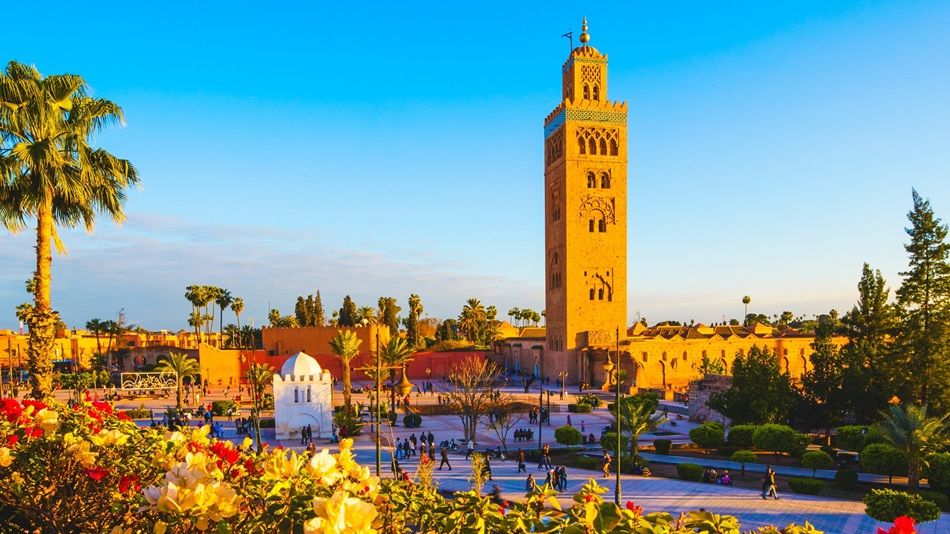
Casablanca real estate is less driven by postcard appeal and more by functional demand. It is the country’s largest business hub and benefits from deeper year round activity than leisure led markets. That matters because resale liquidity and end user demand are often stronger where local households, professionals, and business travel all support the market. Gross yields in Casablanca are competitive, but the more important factor is that the city has a broader buyer pool and does not depend on the same level of tourism seasonality as Marrakech or Agadir.
For investors, Casablanca is often the cleaner “buying for durability” market. The right city center apartment can function as long term rental stock, corporate furnished rental stock, or a resale asset for local buyers. That flexibility matters in 2026 because properties with multiple demand engines generally outperform those that depend on only one narrative. In practical terms, Casablanca real estate can be less spectacular, but often easier to defend in a slower market.
Tangier real estate is one of the most interesting Morocco property investment themes because it is not just a tourism or second home market. Tanger Med is one of the largest container ports in the region and handled more than 11.1 million TEUs in 2025, up 8.4% year over year. That kind of freight growth strengthens the local economy, pulls business activity into the region, and gives Tangier a more diversified demand base than a pure leisure market. At the same time, Tangier still benefits from coastal appeal and second home interest.
This mix is why Tangier real estate can be especially compelling in 2026. You get some of the lifestyle property appeal that supports coastal property Morocco demand, but you also get a business and logistics backbone that can strengthen rentals and resale liquidity. Global Property Guide’s rental yield snapshot shows Tangier yields at the top end of the Morocco range, which supports the idea that this is not just a narrative market, but one with real income potential if bought well.
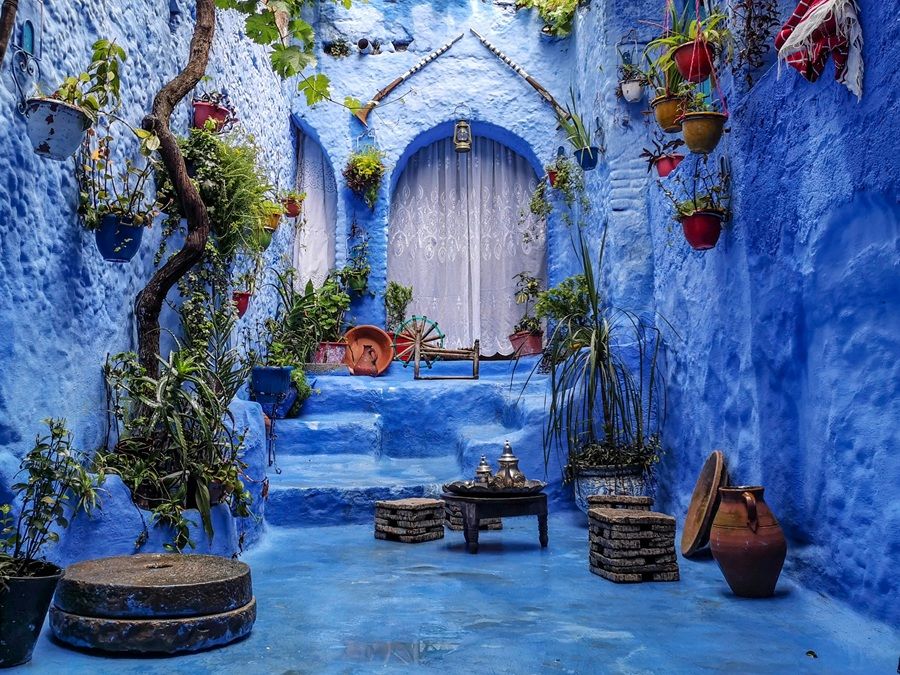
Agadir real estate fits the classic coastal second home script, but investors need to be more careful here than in Marrakech or Casablanca. The city benefits from tourism and beach appeal, and airport upgrades tied to Morocco’s broader infrastructure push should help visibility and access. But yield data shows Agadir is not automatically the strongest return market, and seasonality risk is materially more important. A property that looks appealing because of summer occupancy can disappoint if shoulder season demand is weak or if the building does not operate smoothly enough to justify premium pricing.
That does not mean Agadir is weak. It means Agadir should be underwritten as a more tourism dependent market where the operator premium matters. Properties that can pivot between second home use, longer stays, and short term rentals are safer than properties that only work under high tourist throughput.
This is one of the most important semantic and economic themes for Morocco real estate 2026. When tourism scales, governments and municipalities become more sensitive to accommodation quality, tax compliance, neighborhood pressure, and registration. Reuters’ reporting on Morocco’s tourism strategy makes clear that the country is actively expanding and professionalizing the sector through connectivity and hotel renovation support. In that kind of environment, a property with a clean short term rental path increasingly deserves a premium over a similar property with weak paperwork, unclear registration, or hard to manage building conditions.
That is what the STR compliance premium really means. It does not require a dramatic crackdown headline to matter. It simply means that, over time, the market will pay more for properties that can be rented and sold with fewer legal and operational questions. For investors, that changes the underwriting sequence. You do not start with nightly rate assumptions. You start with rental strategy, compliance pathway, management complexity, and fallback use case.
Morocco rental yields can look strong at the gross level, but properties with high turnover, staffing needs, old building fabric, or seasonal demand can underperform after costs. That is especially true for riad investment and villa investment Morocco assets.
Tourism growth Morocco is strong, but not every city has the same year round demand profile. Marrakech has more diversified tourism intensity, Casablanca has more year round business support, and Agadir is more exposed to leisure seasonality.
Resale liquidity depends on who can buy from you later. Casablanca generally has a broader local buyer pool. Marrakech has stronger foreign lifestyle demand. Tangier benefits from a mixed buyer base. Coastal leisure locations can be thinner in softer years.
Older medina product and larger villas often carry higher management complexity. A city center apartment can be easier to operate and easier to sell, even if the headline rent feels less exciting.
Airport expansion ahead of 2030 matters, because it supports airlift, city visibility, and tourism infrastructure Morocco across major hubs including Marrakech, Agadir, Tangier, and Fez. That is not an instant price spike mechanism, but it is a real medium term support factor.
Use GRAI to identify smarter Morocco property investments: https://internationalreal.estate/chat
Use this before buying any Morocco property investment.
Is this primarily a tourism real estate asset, a second home market asset, a long term rental asset, or some mix of all three
Does the neighborhood have year round life, or is it too dependent on peak tourism months
Is there a clear short term rental path for this property type and location
Can the building or property actually support guest operations smoothly
If short term rental economics weaken, can the asset pivot to furnished rental Africa style mid term stays or long term leasing
What is the true net yield after management, cleaning, maintenance, insurance, utilities, vacancy, and furniture refresh
What occupancy do you need in shoulder season to break even
Who is your exit buyer, foreign second home buyer, local end user, investor, or business tenant buyer
How many comparable resales actually happen in this price band and micro market
Is this a simple apartment, a management heavy riad, or a villa with more operating intensity
Does the property look easy to maintain over five years, not just beautiful on day one
Morocco has the ingredients investors want in 2026. Record tourism, strong medium term infrastructure tailwinds, a supportive macro picture, and city by city yield opportunities. But it is no longer enough to say “buy Marrakech” or “buy by the coast.” The best properties now are the ones where Morocco tourism real estate, second home demand, and resale liquidity all overlap.
That is exactly where the GRAI real estate AI platform helps. You can compare Marrakech real estate, Casablanca real estate, Tangier real estate, and Agadir real estate using the same framework and see where your strategy is actually strongest.
“Compare Marrakech, Casablanca, Tangier, and Agadir for 2026 on second home demand, short term rental viability, long term rental depth, and resale liquidity.”
“Model this Morocco property under short term rental and long term rental scenarios, then show break even occupancy and worst case cashflow.”
“Estimate buyer pool depth for this micro market and what discount clears in a 90 day resale.”
“Build a due diligence checklist for a Marrakech riad versus a Casablanca apartment versus a Tangier coastal unit, including management complexity, seasonality, compliance risk, and exit strategy.”
Compare Morocco property hotspots with GRAI : https://internationalreal.estate/chat
Morocco can be a strong property market in 2026 because of record tourism, improving macro stability, and second home demand, but performance varies sharply by city and property type. Marrakech, Casablanca, and Tangier each offer different opportunity profiles.
Marrakech is still the clearest short term rental market because of strong tourism and second home demand, but Tangier is increasingly interesting because it combines coastal demand with logistics and business growth. Casablanca is usually stronger for year round demand than for pure tourism yield.
Gross rental yields in Morocco are relatively attractive by regional standards, with Global Property Guide showing yields above 7% nationally in early 2026 and competitive city level yields in Marrakech, Casablanca, Tangier, and Agadir. Net yield depends on costs, occupancy quality, and management.
The biggest risk is usually not demand. It is buying a property that is operationally complex, seasonally fragile, or weak on resale liquidity. The gap between gross yield and real net return can be large.
Yes, especially through airport expansion, route growth, and city visibility. Reuters reported AfDB financing for major airport upgrades to help Morocco expand passenger capacity to 80 million by 2030 from 38 million. That supports medium term tourism and travel infrastructure.
Marrakech is stronger for second homes and lifestyle led rentals. Casablanca is stronger for year round liquidity and business anchored demand. The better choice depends on whether you want tourism upside or more stable end user and rental depth.
Tangier looks underrated because it benefits from both coastal appeal and Tanger Med driven economic activity. That gives it a more diversified demand base than many leisure only markets.
That depends on your operating tolerance. Riads and villas can have stronger lifestyle appeal but often come with higher management complexity and maintenance. Apartments are usually simpler to operate and often easier to sell.
Morocco real estate in 2026 is not a one-market story. Marrakech offers strong lifestyle and short-term rental appeal, Casablanca brings deeper year-round liquidity, Tangier stands out for its mix of logistics growth and coastal demand, and Agadir requires more caution because of seasonality. The smartest investors will focus less on headline yield and more on compliance, management ease, fallback rental demand, and resale strength. In this market, the edge comes from disciplined city selection and clean execution, not from chasing the most attractive numbers on paper.


