Ask GRAI Anything
Your Real Estate Questions, Answered Instantly via Chat

Help us make GRAI even better by sharing your feature requests.
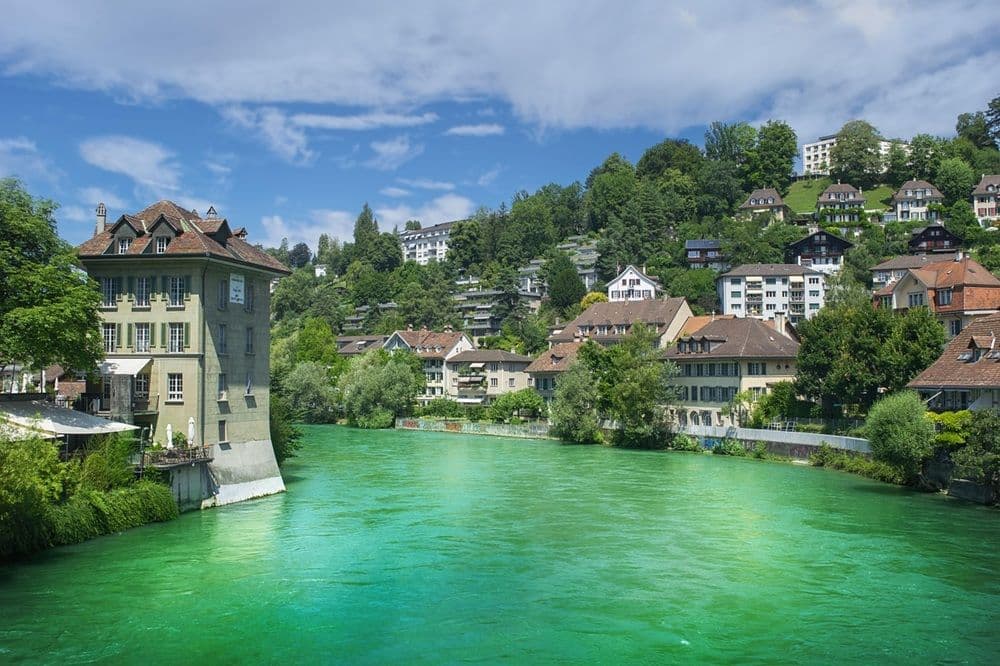
Switzerland is considering stricter rules on property purchases by foreigners at exactly the moment housing scarcity, migration pressure, and political sensitivity are becoming more pronounced. Reuters reported in April 2026 that the Swiss government proposed expanding restrictions under Lex Koller, including tighter rules for non EU and non EFTA citizens buying main residences, new resale obligations if they leave Switzerland, stricter holiday home limits, and tighter conditions around some commercial property acquisitions intended for rental or investment. This is more than a legal update.
It is a signal that even one of the world’s highest trust real estate markets is becoming more defensive about access to housing. The deeper implication is that in markets like Switzerland, the premium may increasingly sit not only in the property itself, but in the legal ability to own it.
Many markets debate foreign ownership when affordability becomes politically difficult. Switzerland matters because it is not a volatile, low trust, or speculative market. It is one of the world’s clearest examples of a stable, scarcity driven, wealth preservation oriented property system.
That is exactly why this story matters. If even Switzerland is moving toward tighter access, investors need to understand that “safe haven” and “easy to access” are no longer the same thing. Reuters noted that the proposed changes arrive as the government also prepares for a politically charged referendum around capping the permanent resident population at 10 million by 2050, a sign that housing and migration pressure now sit much closer to the center of Swiss politics.
In most real estate analysis, value comes from:
Location
Supply
Demand
Yield
Quality
Financing conditions
In markets like Switzerland, a new variable may be gaining weight:
This trend is increasingly connected to broader visa wars and global talent competition through real estate, where residency pathways, investor migration, and property ownership are becoming part of national economic strategy.
That means the scarcity premium can come from two layers at once.
The first layer is familiar: limited land, high quality locations, strong institutions, and defensive ownership.
The second layer is becoming more important: fewer people may be legally able to participate in the market, or in parts of it.
That changes the logic of international real estate. It means an investor is no longer only assessing whether an asset is attractive. They are also assessing whether their ownership route remains politically durable.
Want to understand how foreign ownership rules, political risk, and access restrictions could affect your next investment market? Use GRAI to compare global property markets, ownership routes, and legal exposure strategies in minutes.
Reuters reported that the Swiss government wants stricter controls under Lex Koller, the long standing framework that regulates property purchases by foreigners.
The proposals include:
Requiring more permits for non EU and non EFTA citizens buying a main residence
Requiring resale within two years if those buyers leave Switzerland
Tightening rules on holiday home ownership
Restricting some commercial real estate purchases when the intent is rental or investment rather than operational use
These are meaningful because they affect more than one use case. They touch residential occupation, second homes, and income or investment oriented commercial strategies. That makes the proposal broader than a simple tourist home crackdown.

The official logic is not hard to understand. Housing shortages and population growth are becoming more politically salient. In such an environment, foreign ownership can become a symbolic pressure point even if it is not the only or primary cause of scarcity.
This is common in housing politics. Markets under pressure often look for visible categories of demand to regulate. What makes Switzerland notable is that it is doing so from a position of institutional strength. This is not a distressed state improvising. It is a deliberate policy response inside a high trust system. That makes the signal stronger, not weaker. It suggests the political tolerance for external access is narrowing even in premium markets.
A lot of people hear “foreign buyer rules” and think only of compliance. That misses the investment logic.
When access tightens in a market already defined by scarcity, several things can happen.
If fewer categories of buyers can purchase freely, then ownership structures, permits, and legally clean access paths gain value.
Residential, holiday homes, listed real estate exposure, and commercial assets no longer sit under one simple umbrella. The legal route matters more.
Restriction does not necessarily weaken prices. In some cases, it can intensify the premium on the assets and structures that remain investable.
This is the most important shift. Investors usually underwrite political risk in emerging or unstable markets. Switzerland is a reminder that access risk can exist in very stable markets too.
Swiss real estate now sits between two powerful forces.
On one side, it remains attractive because it offers:
Legal clarity
Macro stability
Limited supply
A strong wealth preservation story and
Defensive long term ownership logic
On the other side, those same strengths intensify domestic political sensitivity when housing access worsens.
That means the market is caught between capital desirability and political defensiveness. The same tension is beginning to appear across parts of Europe, particularly in markets explored in Europe’s new real estate frontier, where affordability, foreign demand, and lifestyle migration are reshaping local housing dynamics. For foreign investors, this is a crucial distinction. A market can remain highly desirable while becoming less available. In fact, the desirability may be part of the reason availability tightens.
The old foreign buyer question was:
“Is Switzerland a good place to preserve capital in real estate?”
The new question is:
“Which Swiss property exposures remain legally durable for me, and what political risk now sits inside that access?”
That is a much sharper question because it forces investors to compare:
Direct residential ownership
Holiday home routes
Listed property exposure
Operational commercial property and
Structures that may remain viable even if direct ownership becomes harder
In other words, the market is pushing foreign buyers from a simple asset decision into a strategy decision.

Yes, and this is what makes the topic more interesting than a simple “bearish for foreigners” headline.
In a market like Switzerland, tighter rules do not automatically destroy value. They may do the opposite for some categories of stock. If access narrows but demand for Swiss exposure remains high, then:
Prime legally accessible assets may become more prized
Clean ownership routes may command more attention and
Domestic or already established holders may benefit from even stronger scarcity dynamics
That is why investors should not assume restrictions equal weakness. In some safe haven markets, restriction can reprice exclusivity upward.
Evaluate the impact of Swiss property restrictions on your investment strategy using GRAI: https://internationalreal.estate/chat
One underappreciated part of the Reuters report is the potential tightening of some commercial property acquisitions when the purchase is intended mainly for rental or investment.
That matters because many foreign investors assume commercial property gives them more flexibility than residential rules. If Switzerland narrows that gap, then the market becomes even more strategic.
Buyers have to distinguish between:
Operating real estate used for actual business activity and
Real estate held mainly as an income or capital preservation vehicle
That is a meaningful distinction for family offices, foreign entrepreneurs, and investors using Swiss property for diversification rather than direct business operations.
The deeper value of this story is that Switzerland may be an early example of a wider pattern across Europe. Housing shortages, migration pressure, and local affordability tension are creating more political pressure around ownership access in many countries.
What makes Switzerland different is that it gives this pattern a high credibility version. If even a premium, institutionally trusted market is willing to narrow foreign access, then international buyers need to assume that ownership risk is no longer only a frontier market issue. Regulatory pressure is also expanding into areas like energy compliance, rental legality, and building standards, as seen in France DPE regulations in 2026, where policy changes can directly alter property usability, rental income potential, and long-term investment value. It can appear in the most stable jurisdictions when scarcity gets politically sharp enough.
If you are analyzing a market like Switzerland now, the right framework is not just “Do I like the asset?”
It is:
Direct, indirect, listed, commercial, operating, holiday home, or main residence.
Could the structure survive another round of tightening.
This matters because different premiums unwind differently.
Sometimes the answer is not the same asset class at all.
Buyer pools shrink fast when access rules tighten.
That last point is critical. A market with strong value retention can still become more difficult to enter and exit cleanly if the rule set gets more layered.
This is exactly the kind of issue where a GRAI real estate AI platform adds value, because a static market view is not enough. The key question is not only whether Swiss real estate is desirable. It is how ownership access risk changes the real investment case.
Useful prompts:
“Explain how tighter foreign buyer rules in Switzerland change the investment case for residential, commercial, and listed property exposure.”
“Compare Switzerland with other safe haven property markets on foreign ownership risk, housing pressure, and long term investability.”
“Tell me whether this market’s scarcity premium is supported by real demand, legal restriction, or both.”
“Stress test a foreign buyer strategy if ownership rules tighten further in high trust housing markets.”
“Compare direct ownership versus indirect exposure in Switzerland under a stricter Lex Koller scenario.”
Explore how GRAI can help you navigate Swiss real estate's access risks: https://internationalreal.estate/chat
Lex Koller is the Swiss legal framework that restricts certain real estate purchases by foreigners. It governs which foreign buyers can acquire Swiss property and under what conditions. Reuters reported the government is now proposing to tighten it further.
The government proposed stricter rules including more permits for some non EU and non EFTA buyers purchasing main residences, forced resale within two years if they leave Switzerland, tighter holiday home rules, and restrictions on some commercial property purchases intended mainly for rental or investment.
In some cases yes, but the rules are already restrictive and may become tighter. The exact answer depends on nationality, residence status, intended use, and property type.
The move is linked to housing shortages, population pressure, and broader political sensitivity around access to housing. Switzerland is also preparing for a politically charged referendum related to population growth.
Not necessarily. In scarcity driven safe haven markets, tighter access can sometimes reinforce the premium on stock and ownership structures that remain accessible.
It can still be a safe haven in capital preservation terms, but investors now also need to consider access risk and political durability of ownership, not just the quality of the market itself.
Yes. Reuters reported the government proposals also include tighter rules for holiday homes.
Commercial property may also face tighter rules in some cases, especially where purchases are intended mainly for rental or investment rather than operational use.
The lesson is that in premium markets, scarcity can come not only from limited supply but also from limited legal access. Permission itself can become part of the value.
Yes. A real estate AI platform like GRAI can compare ownership routes, legal risk, political durability, and scenario outcomes across countries and asset types more systematically than static commentary.
Switzerland’s 2026 foreign buyer debate is not really a narrow legal story. It is a signal about where global real estate is heading.
In some of the world’s most desirable property markets, scarcity may increasingly come from two sources:
limited physical supply
and limited legal access
That means the next premium in markets like Switzerland may not just be the view, the postcode, or the building quality.
It may be permission itself.
And once a market starts pricing permission, foreign buyers need to underwrite more than real estate. They need to underwrite access.


