Ask GRAI Anything
Your Real Estate Questions, Answered Instantly via Chat

Help us make GRAI even better by sharing your feature requests.

Antigua and Barbuda has quietly become one of the Caribbean's most attractive destinations for international real estate investment. While larger markets such as the Bahamas and Barbados often receive greater attention, Antigua and Barbuda offers a compelling combination of political stability, favorable tax policies, a well-established tourism industry, and one of the world's longest-running Citizenship by Investment (CBI) programs.
The country's luxury residential market continues to attract high-net-worth individuals seeking waterfront villas, second homes, retirement properties, and investment assets with strong lifestyle appeal. At the same time, increasing demand for boutique resorts, branded residences, marina developments, and vacation rentals has broadened opportunities for institutional investors, developers, and income-focused buyers.
As a member of the Organisation of Eastern Caribbean States (OECS) and CARICOM, Antigua and Barbuda benefits from regional economic integration while maintaining a stable currency through the Eastern Caribbean Currency Union. Tourism remains the primary economic driver, supported by expanding air connectivity, luxury hospitality investments, and government initiatives encouraging foreign direct investment.
This guide provides a factual overview of Antigua and Barbuda's property market, economic fundamentals, investment opportunities, and key considerations for buyers in 2026.
| Category | Overview |
|---|---|
| Investment Outlook | Positive over the long term |
| Market Maturity | Developing luxury market |
| Foreign Ownership | Permitted (subject to licensing requirements) |
| Currency | Eastern Caribbean Dollar (XCD), pegged to the US Dollar |
| Primary Investment Sectors | Luxury villas, beachfront homes, vacation rentals, boutique resorts, development land |
| Average Gross Rental Yield | Approximately 4%-7% depending on location and property type |
| Main Growth Driver | Tourism and international buyers |
| Key Risks | Hurricane exposure, tourism dependency, limited housing supply in premium locations |
| Best For | Vacation home buyers, retirees, CBI applicants, luxury investors, developers |
For investors seeking a combination of capital preservation, lifestyle benefits, and moderate long-term appreciation, Antigua and Barbuda remains one of the Caribbean's strongest options. Demand for waterfront properties and luxury homes has remained resilient, supported by international tourism and high-net-worth migration.
The market is less speculative than some emerging Caribbean destinations, with demand driven largely by genuine lifestyle buyers, second-home purchasers, and investors participating in the Citizenship by Investment Program.
| Metric | Details |
|---|---|
| Capital | St. John's |
| Official Name | Antigua and Barbuda |
| Population (2025 estimate) | Approximately 105,000 |
| Currency | Eastern Caribbean Dollar (XCD) |
| Currency Peg | US$1 = EC$2.70 (fixed peg) |
| Official Language | English |
| Government | Parliamentary Democracy & Constitutional Monarchy |
| Head of State | King Charles III (represented by a Governor-General) |
| GDP | Approximately US$2.4-2.6 billion |
| Main Industries | Tourism, Construction, Financial Services, Real Estate |
| International Airport | V.C. Bird International Airport |
| Climate | Tropical Maritime |
| Time Zone | AST (UTC−4) |
| Major Trading Partners | United States, United Kingdom, Canada, Caribbean nations |
Several structural factors continue to make Antigua and Barbuda attractive for international property investors.
Tourism contributes a significant share of national GDP and employment. The country welcomes hundreds of thousands of stay-over visitors and cruise passengers annually, creating sustained demand for hotels, vacation rentals, restaurants, marinas, and supporting infrastructure.
Luxury travelers increasingly favor Antigua for its beaches, sailing events, boutique resorts, and exclusive residential communities.
Antigua offers:
More than 365 beaches
Direct flights to North America and Europe
English-speaking legal system
Stable democratic government
Caribbean lifestyle with modern infrastructure
These characteristics continue attracting retirees, entrepreneurs, digital professionals, and high-net-worth families.
Antigua and Barbuda operates one of the Caribbean's most established Citizenship by Investment Programs.
Qualified investors may obtain citizenship through approved investment routes, including eligible real estate investments that meet government requirements.
This has created consistent international demand for qualifying luxury developments.
The country remains attractive for wealth preservation because it generally does not impose taxes such as:
Wealth tax
Inheritance tax
Estate tax
Its relatively investor-friendly tax framework is a significant advantage compared with many higher-tax jurisdictions.
The Eastern Caribbean Dollar has maintained its long-standing peg to the US Dollar, reducing exchange-rate volatility for international investors whose assets or income are denominated in USD.
Also Read: Dominica Citizenship by Investment 2026 with Strategic Guide for Global Investors
Antigua and Barbuda has transitioned from an agriculture-based economy into a service-oriented economy dominated by tourism, hospitality, construction, and real estate.
Following the disruption caused by the COVID-19 pandemic, the country experienced a strong recovery driven by:
Rebound in international tourism
Hotel investments
Cruise arrivals
Infrastructure projects
Residential construction
Continued investment in airports, ports, and tourism infrastructure supports the long-term outlook.
| Indicator | Current Outlook |
|---|---|
| GDP Growth | Moderate positive growth supported by tourism |
| Inflation | Moderating after global inflationary pressures |
| Unemployment | Gradually improving with tourism recovery |
| Government Investment | Infrastructure and tourism-focused |
| Foreign Direct Investment | Strong in hospitality and luxury real estate |
| Construction Activity | Active in residential and resort developments |
Tourism remains the country's largest economic engine.
Key drivers include:
Luxury resorts
Cruise tourism
Sailing events
International conferences
Weddings and destination travel
This directly supports residential real estate values.
Construction activity continues expanding through:
Villas
Resort developments
Marina projects
Infrastructure improvements
Mixed-use developments
Foreign buyers remain a major contributor to premium residential demand.
Offshore financial services continue contributing to economic diversification alongside professional services and investment management.
The property market is relatively small compared with larger international markets but benefits from limited prime coastal inventory and consistent demand from overseas buyers.
The strongest demand remains concentrated in:
Beachfront villas
Luxury condominiums
Marina residences
Resort communities
Vacation rental properties
Development land
Demand is supported by buyers from:
United States
Canada
United Kingdom
Europe
Caribbean diaspora
| Property Type | Market Outlook | Typical Buyer |
|---|---|---|
| Luxury Villas | Very Strong | International HNWIs |
| Beachfront Homes | Strong | Lifestyle & second-home buyers |
| Condominiums | Stable | Vacation home investors |
| Vacation Rentals | Strong | Income-focused investors |
| Marina Properties | Growing | Yacht owners & luxury buyers |
| Development Land | Positive | Developers |
| Commercial Property | Moderate | Local & regional businesses |
| Boutique Hotels | Growing | Hospitality investors |
Several structural trends are shaping the market:
Increasing international demand for lifestyle properties.
Continued interest in waterfront developments.
Growth of branded luxury residences.
Rising focus on sustainable construction.
Greater demand for turnkey investment properties.
Continued government support for foreign investment.
Premium beachfront inventory remains limited, helping support long-term value in established locations.
| Location | Best For | Rental Demand | Capital Growth Potential | Investment Rating |
|---|---|---|---|---|
| St. John's | Residential & Commercial | High | High | ★★★★★ |
| Jolly Harbour | Vacation Rentals | High | High | ★★★★★ |
| English Harbour | Luxury Homes & Marina Properties | High | Very High | ★★★★★ |
| Dickenson Bay | Beachfront Condominiums | High | High | ★★★★☆ |
| Hodges Bay | Luxury Villas | Moderate–High | High | ★★★★★ |
| Barbuda | Long-Term Development Land | Moderate | High (higher risk) | ★★★★☆ |
As the capital and commercial center, St. John's offers the country's widest selection of residential and commercial opportunities. Demand is supported by local employment, government activity, and business services.
Best suited for:
Long-term rentals
Mixed-use investments
Commercial property
Residential apartments
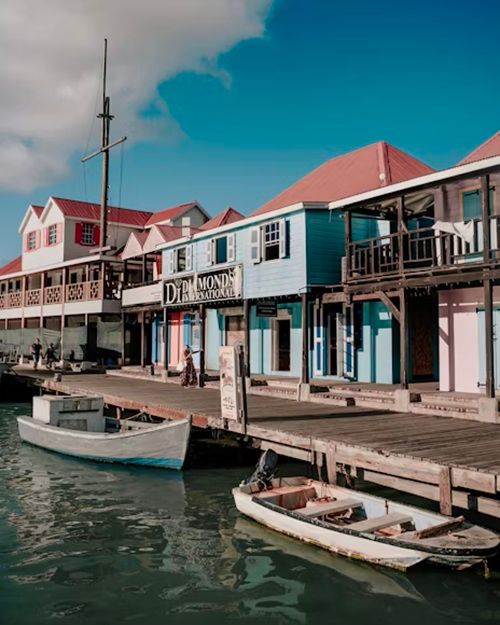
One of Antigua's best-known master-planned communities, Jolly Harbour combines marina access, golf, restaurants, and waterfront homes. It remains particularly attractive to vacation-home buyers and short-term rental investors.
English Harbour is internationally recognized for luxury waterfront properties and yachting. Demand is driven by affluent international buyers seeking exclusive residences near marinas and sailing events.
Known for its beach resorts and tourism appeal, Dickenson Bay attracts investors interested in vacation rentals and beachfront condominiums with consistent seasonal demand.

Hodges Bay has experienced increasing luxury development, with upscale villas and boutique hospitality projects appealing to premium buyers seeking privacy and modern amenities.
Barbuda presents longer-term development potential, particularly in eco-tourism and luxury resort projects. Investors should recognize that development timelines, infrastructure availability, and environmental considerations may influence returns.
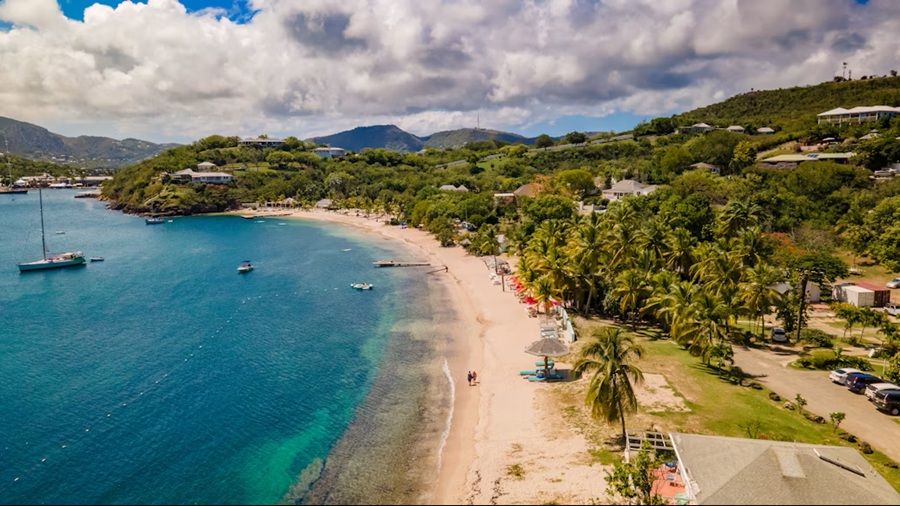
Property values vary significantly depending on location, proximity to the coast, views, and amenities.
| Property Type | Typical Price Range (USD) |
|---|---|
| Condominium | $250,000-$700,000 |
| Family Home | $350,000-$1.2 million |
| Beachfront Villa | $1.5 million-$10+ million |
| Luxury Estate | $5 million-$25+ million |
| Development Land | Varies significantly by location and approvals |
| Marina Residence | $800,000-$5 million |
| Investment Type | Estimated Gross Rental Yield |
|---|---|
| Apartments | 4%-6% |
| Vacation Villas | 5%-7% |
| Luxury Villas | 3%-5% |
| Beachfront Condominiums | 4%-6% |
| Boutique Hospitality Assets | Varies by occupancy and operating model |
While luxury properties often deliver lower percentage yields, they may offer stronger long-term capital appreciation due to limited supply in premium coastal locations.
The Antigua and Barbuda real estate market remains supported by strong international demand, a stable political environment, and continued investment in tourism infrastructure. Although global economic conditions and interest rates continue to influence buyer sentiment, the country's established reputation as a luxury Caribbean destination, combined with its Citizenship by Investment Program and limited beachfront inventory, positions it favorably for long-term investors seeking both lifestyle and income opportunities.
Use GRAI to compare Antigua’s luxury villas, condos, and development land on yields, risk, and appreciation: https://internationalreal.estate/chat
Antigua and Barbuda's rental market is primarily driven by tourism, expatriate professionals, yacht owners, retirees, and international buyers who visit the islands seasonally. Unlike many Caribbean markets that rely almost exclusively on tourism, Antigua also benefits from demand generated by financial services, government organizations, embassies, and international schools.
The rental market can broadly be divided into three segments:
Short-term vacation rentals
Long-term residential rentals
Luxury seasonal rentals
For many investors, vacation rentals generate higher gross income than traditional long-term leases, although they also involve higher operating costs, seasonal occupancy fluctuations, and active property management.
The country's thriving tourism industry has made short-term rentals one of the strongest-performing property sectors.
Demand is supported by:
Beach vacations
Sailing events (including Antigua Sailing Week)
Honeymoon tourism
Luxury travelers
Cruise visitors extending their stays
Remote workers seeking tropical destinations
Properties located near beaches, marinas, golf courses, and luxury resorts generally achieve the highest occupancy rates.
| Area | Rental Demand | Typical Guests | Investment Potential |
|---|---|---|---|
| Jolly Harbour | Very High | Families & Vacationers | ★★★★★ |
| English Harbour | Very High | Yacht Owners & Luxury Travelers | ★★★★★ |
| Dickenson Bay | High | Beach Tourists | ★★★★☆ |
| Hodges Bay | High | Luxury Visitors | ★★★★★ |
| St. John's | Moderate | Business Travelers | ★★★★☆ |
Long-term rentals attract:
Government officials
Healthcare professionals
Hospitality executives
International business employees
Returning Antiguans
Digital nomads
Diplomats
Lease durations typically range from six months to several years.
Demand is strongest for:
Furnished apartments
Villas
Townhouses
Family homes
| Property Type | Estimated Gross Yield |
|---|---|
| Apartments | 4%-6% |
| Condominiums | 4%-6% |
| Vacation Villas | 5%-7% |
| Luxury Beachfront Villas | 3%-5% |
| Marina Properties | 4%-6% |
Actual net returns vary depending on financing, maintenance costs, insurance, occupancy, and property management fees.
The tourism calendar significantly influences rental performance.
| Season | Demand |
|---|---|
| December-April | Peak |
| May-June | Strong |
| July-August | Moderate |
| September-October | Lower |
| November | Improving |
Peak winter travel from North America and Europe generally supports higher nightly rates between December and April.
Yes. Foreign nationals can purchase real estate in Antigua and Barbuda, making the country one of the Caribbean's more accessible destinations for international buyers.
However, foreign purchasers generally require a Non-Citizen Landholding Licence (NCLL) unless an exemption applies, such as purchasing within certain approved developments or under specific government programs.
The licensing process is designed to regulate foreign ownership while encouraging responsible investment.
| Item | Details |
|---|---|
| Foreign Ownership | Permitted |
| Freehold Ownership | Available |
| Leasehold Ownership | Available |
| Government Approval | Required in many cases |
| Foreign Ownership Restrictions | Limited and regulated through licensing |
| Title Registration | Required |
| Legal Representation | Strongly recommended |
Purchasing property generally follows a structured legal process.
Conduct Due Diligence regarding:
Ownership
Planning approvals
Boundaries
Utilities
Title history
After negotiations, both parties typically agree on:
Purchase price
Deposit
Closing timeline
Conditions
A legally binding Sale and Purchase Agreement is prepared by attorneys representing the buyer and seller.
The buyer's attorney usually verifies:
Clear title
Existing liens
Planning compliance
Property boundaries
Government approvals
Government authorities review the application before approval.
Processing times can vary depending on the transaction and documentation.
Upon completion:
Remaining purchase funds are transferred.
Title is registered.
Ownership is officially transferred.
| Cost | Approximate Range |
|---|---|
| Legal Fees | 1%-2% |
| Government Fees | Vary by transaction |
| Stamp Duties | Applicable under current regulations |
| Registration Fees | Applicable |
| Due Diligence Costs | Vary |
Transaction costs should always be confirmed with qualified legal and tax professionals, as rates and regulations may change.
One of Antigua and Barbuda's attractions is its comparatively favorable tax environment for international investors. While buyers remain responsible for transaction-related taxes and fees, the country does not levy several wealth-related taxes common in other jurisdictions.
| Tax | Applies? | Notes |
|---|---|---|
| Property Tax | Yes | Based on assessed property value and classification |
| Stamp Duty | Yes | Applies to qualifying property transfers under current legislation |
| Transfer Tax | Applicable | Allocation between buyer and seller varies by transaction |
| Rental Income Tax | Yes | Subject to applicable tax rules and allowable deductions |
| Corporate Tax | Yes | Applies to qualifying business entities |
| Capital Gains Tax | No separate capital gains tax | |
| Wealth Tax | No | |
| Inheritance Tax | No | |
| Estate Tax | No | |
| Value Added Tax (ABST) | Applies to eligible goods and services under current law |
Important: Tax obligations depend on residency status, ownership structure, income source, and applicable legislation. Investors should seek advice from qualified legal and tax professionals before completing a transaction.
Antigua and Barbuda operates one of the Caribbean's most recognized Citizenship by Investment Programs, established in 2013. The program allows eligible applicants and their qualifying family members to obtain citizenship after meeting government due diligence requirements and making an approved investment.
For many international investors, real estate remains one of the most attractive pathways because it combines a qualifying investment with the potential for long-term property ownership.
| Investment Option | Overview |
|---|---|
| National Development Fund Contribution | Non-refundable contribution to an approved government fund |
| Approved Real Estate Investment | Investment in government-approved real estate projects meeting the minimum threshold |
| Business Investment | Investment in an approved business venture, subject to program requirements |
| University of the West Indies Fund | Contribution option available for eligible larger families under program rules |
Visa-free or visa-on-arrival access to numerous destinations (subject to current agreements).
Ability to include eligible family members.
No requirement for continuous residence before obtaining citizenship, though specific program obligations apply.
Access to a stable, English-speaking Commonwealth jurisdiction.
Applicants should always review the latest government requirements, as thresholds, due diligence standards, and program rules may change.
While many international transactions are completed with cash, financing options are available through local and regional financial institutions, particularly for qualified borrowers.
| Financing Option | Availability |
|---|---|
| Cash Purchase | Very Common |
| Local Bank Mortgage | Available for eligible applicants |
| International Financing | Possible through overseas lenders |
| Developer Financing | Offered on selected projects |
| Private Lending | Available in some transactions |
Lenders generally evaluate:
Income and employment
Credit history
Loan-to-value ratio
Property valuation
Residency status
Mortgage terms and interest rates vary depending on the borrower, lender, and market conditions.
Infrastructure development continues to support Antigua and Barbuda's tourism and real estate sectors. Ongoing public and private investment has improved transportation, utilities, digital connectivity, and hospitality facilities.
| Category | Current Status |
|---|---|
| International Airport | Modern gateway with direct connections to North America, Europe, and the Caribbean |
| Cruise Port | Expanded facilities supporting increasing cruise tourism |
| Road Network | Well-developed primary roads with ongoing upgrades |
| Electricity | National grid with increasing renewable energy initiatives |
| Water Supply | Continuous investment in desalination and water infrastructure |
| Internet | High-speed broadband and mobile coverage across populated areas |
| Healthcare | Public hospitals and private medical facilities |
| Education | Local schools, international educational options, and higher education institutions |
Recent investment has focused on:
Airport modernization
Cruise terminal enhancements
Marina developments
Luxury resort expansion
Renewable energy initiatives
Road improvements
Water security projects
These projects enhance accessibility and support long-term property demand.
Tourism remains the cornerstone of Antigua and Barbuda's economy and one of the primary drivers of real estate demand. The country attracts visitors seeking luxury beach holidays, sailing experiences, weddings, wellness retreats, and second-home opportunities.
Continued investment by international hotel brands and resort developers has strengthened Antigua's position within the premium Caribbean tourism market.
More than 365 beaches
Year-round warm climate
International sailing events
Luxury resorts
Cruise tourism
Direct international flights
English-speaking environment
Strong reputation for hospitality
| Tourism Trend | Impact on Property Market |
|---|---|
| Growth in luxury travel | Increased demand for premium villas and branded residences |
| Higher visitor arrivals | Stronger vacation rental occupancy |
| Expanded airline connectivity | Improved accessibility for international buyers |
| Hotel development | Positive spillover for surrounding residential markets |
| Marina investment | Higher demand for waterfront properties |
Although tourism is expected to remain the principal economic engine over the medium term, investors should recognize that external factors - such as global economic conditions, travel demand, and weather-related disruptions - can influence visitor numbers and short-term rental performance.
Antigua and Barbuda continues to combine an investor-friendly environment, established tourism sector, and attractive lifestyle appeal. For foreign buyers, understanding ownership rules, taxation, financing, and market dynamics is essential to making informed investment decisions.
Antigua and Barbuda is considered one of the Caribbean's most politically stable nations and is not directly involved in any active armed conflict. The country maintains diplomatic relations with a broad range of international partners and has traditionally pursued a foreign policy focused on regional cooperation, tourism, climate resilience, and economic development.
However, like many small island economies, Antigua and Barbuda is indirectly exposed to geopolitical events through global trade, energy prices, financial markets, supply chains, and international travel demand. These factors can influence construction costs, investor sentiment, tourism arrivals, and property transactions, even when the country itself remains unaffected by conflict.
The Russia–Ukraine war has had limited direct economic ties with Antigua and Barbuda. Its primary effects have been indirect, including:
Higher global energy prices.
Increased shipping and freight costs.
Inflation in imported construction materials.
Higher financing costs due to global interest rate increases.
These factors may increase development costs and temporarily affect affordability but have not fundamentally altered the country's long-term investment appeal.
Escalations in the Middle East can influence Antigua and Barbuda through higher oil prices and disruptions to global shipping routes. Increased fuel costs may raise airline operating expenses, potentially affecting tourism demand if airfare becomes more expensive.
As Antigua and Barbuda's economy depends significantly on visitors from North America and Europe, broader economic slowdowns resulting from international trade disputes could moderate tourism growth. At the same time, continued global diversification of investment capital may create opportunities for stable Caribbean markets.
| Scenario | Likelihood* | Impact on Tourism | Impact on Real Estate | Investor Considerations |
|---|---|---|---|---|
| Stable Global Economy | Moderate–High | Strong visitor growth | Continued price appreciation | Favorable for long-term investors |
| Moderate Global Tensions | Moderate | Slight moderation in travel demand | Slower transaction volumes, resilient prime market | Focus on income-producing assets |
| Severe Global Conflict or Global Recession | Low | Reduced international travel | Temporary slowdown in luxury transactions | Longer holding periods may be appropriate |
*Likelihood reflects a broad economic scenario analysis based on current global conditions rather than a prediction of future events.
Unlike geopolitical risks, hurricanes remain one of the most significant long-term risks for Caribbean real estate. Investors should evaluate:
Hurricane-resistant construction.
Comprehensive insurance coverage.
Flood exposure.
Coastal setback regulations.
Property management and maintenance plans.
Modern developments increasingly incorporate resilient building standards to mitigate weather-related risks.
While no property market can be forecast with certainty, current economic fundamentals suggest a constructive medium-term outlook for Antigua and Barbuda.
Continued international tourism recovery.
Limited supply of prime beachfront land.
Sustained demand from high-net-worth buyers.
Infrastructure investment.
Stable currency linked to the U.S. Dollar.
Ongoing foreign direct investment.
Global demand for second homes and lifestyle properties.
| Sector | 2026-2027 | 2028-2029 | 2030-2031 |
|---|---|---|---|
| Luxury Villas | Positive | Strong | Strong |
| Beachfront Homes | Positive | Strong | Strong |
| Vacation Rentals | Positive | Stable | Positive |
| Development Land | Moderate | Positive | Strong |
| Commercial Property | Stable | Positive | Positive |
| Marina Properties | Strong | Strong | Strong |
| Asset Type | Outlook | Risk | Long-Term Potential |
|---|---|---|---|
| Luxury Villas | Excellent | Moderate | ★★★★★ |
| Beachfront Condominiums | Very Good | Moderate | ★★★★☆ |
| Vacation Rentals | Very Good | Moderate | ★★★★☆ |
| Development Land | Good | Higher | ★★★★☆ |
| Commercial Property | Good | Moderate | ★★★☆☆ |
| Boutique Hospitality | Very Good | Moderate | ★★★★☆ |
The market is expected to remain supported by structural demand rather than speculative buying. Premium waterfront locations are likely to continue commanding the strongest pricing due to limited supply, while infrastructure improvements and tourism growth should provide additional support for well-located residential and hospitality assets.
| Country | Luxury Market | Rental Yield | Citizenship Program | Tax Environment | Investment Risk |
|---|---|---|---|---|---|
| Antigua and Barbuda | Excellent | Moderate-High | Yes | Very Favorable | Moderate |
| Bahamas | Excellent | Moderate | No CBI | Favorable | Moderate |
| Barbados | Strong | Moderate | No CBI | Moderate | Low |
| St. Kitts and Nevis | Strong | Moderate | Yes | Favorable | Moderate |
| Dominica | Emerging | Moderate | Yes | Favorable | Moderate |
| Grenada | Strong | Moderate | Yes | Favorable | Moderate |
| Turks and Caicos | Premium | Moderate | No CBI | Favorable | Moderate |
| Investment Factor | Antigua and Barbuda |
|---|---|
| Lifestyle Appeal | ★★★★★ |
| International Accessibility | ★★★★★ |
| Luxury Property Market | ★★★★★ |
| Foreign Buyer Friendliness | ★★★★★ |
| Tourism Potential | ★★★★★ |
| Long-Term Appreciation | ★★★★☆ |
| Rental Income | ★★★★☆ |
| Market Liquidity | ★★★☆☆ |
Antigua and Barbuda offers opportunities for a diverse range of investors.
Buyers seeking waterfront villas, second homes, or retirement residences benefit from a stable legal framework, attractive climate, and premium coastal locations.
Properties in established tourism hubs such as Jolly Harbour, English Harbour, and Dickenson Bay may generate attractive rental income when professionally managed.
Investors seeking a second passport while acquiring a tangible asset may consider approved real estate developments under the Citizenship by Investment Program, subject to current government requirements.
Limited prime coastal inventory continues to create opportunities for luxury residential, boutique hospitality, and mixed-use developments.
Investors with a medium- to long-term investment horizon may benefit from gradual appreciation driven by tourism growth, infrastructure investment, and constrained supply in premium markets.
Buying property overseas involves more than comparing listing prices. Investors need to understand potential returns, operating costs, market conditions, legal considerations, and location-specific risks before making a purchase decision.
GRAI (Global Real Estate AI) helps investors evaluate Antigua and Barbuda properties by transforming property data into structured, investor-friendly insights. Rather than relying solely on listing descriptions, GRAI analyzes multiple investment factors to support more informed decision-making.
Whether you're evaluating a luxury beachfront villa in English Harbour, a vacation rental in Jolly Harbour, or a development site in Barbuda, GRAI Chat helps you analyze investment opportunities with AI-powered market insights, rental yield estimates, cash flow projections, investment scenarios, and risk assessments. Enter your property details to receive structured, investor-focused analysis that makes it easier to compare opportunities and make more informed real estate decisions.
Useful GRAI Chat prompts:
"Analyze this Antigua and Barbuda property and estimate its rental yield, cash flow, investment risks, and long-term appreciation potential."
"Evaluate this property as a short-term vacation rental and estimate occupancy, nightly rates, annual income, and gross rental yield."
"Compare these Antigua and Barbuda properties and recommend the best investment based on ROI, rental yield, appreciation potential, and overall risk."
Ask GRAI to underwrite any Antigua villa or CBI-qualifying project with full cash-flow, yield, and risk analysis: https://internationalreal.estate/chat
As international buyers increasingly expect transparent, data-driven investment analysis, GRAI Branded Deal Reports provide real estate agents, brokers, and property advisors with a professional way to present investment opportunities.
Agents can generate investor-ready, branded reports that include projected cash flow, rental yield estimates, investment scenarios, market insights, risk considerations, and supporting assumptions. These reports help clients compare opportunities using consistent data, improving confidence during the decision-making process.
Whether presenting a beachfront villa, vacation rental, development site, or Citizenship by Investment property, GRAI Branded Deal Reports enable professionals to deliver a more analytical and transparent investment presentation while reinforcing their own brand.
Antigua and Barbuda has established itself as one of the Caribbean's leading destinations for luxury real estate, second-home ownership, and international investment. Its stable political environment, established tourism industry, investor-friendly tax framework, and globally recognized Citizenship by Investment Program continue to attract buyers from North America, Europe, and beyond.
While investors should carefully evaluate factors such as hurricane exposure, insurance costs, and global economic conditions, the country's long-term fundamentals remain favorable. Limited beachfront supply, ongoing infrastructure investment, and sustained tourism demand support a positive outlook for well-located residential and hospitality assets.
For buyers seeking lifestyle benefits alongside long-term wealth preservation and potential rental income, Antigua and Barbuda remains a compelling option within the Caribbean property market.
Yes. Antigua and Barbuda offers political stability, a tourism-driven economy, a favorable tax environment, and strong demand for luxury and vacation properties. These factors make it attractive for long-term investors, retirees, and second-home buyers.
Yes. Foreign nationals can purchase property, although many transactions require a Non-Citizen Landholding Licence unless an exemption applies. Buyers should work with qualified local legal professionals throughout the acquisition process.
Prices vary by location and property type. Condominiums typically start around $250,000, while premium beachfront villas can exceed $10 million. Waterfront properties generally command the highest prices due to limited supply.
Gross rental yields generally range from 4% to 7%, depending on property type, occupancy, location, operating costs, and management strategy. Vacation rentals in popular tourist destinations often achieve stronger seasonal performance.
The country has a stable democratic government, established property laws, and a long history of welcoming foreign investment. Investors should nevertheless conduct legal due diligence and assess environmental risks such as hurricanes before purchasing.
Yes. Antigua and Barbuda operates a Citizenship by Investment Program that includes approved real estate investment options alongside other qualifying investment pathways. Applicants must satisfy current government eligibility and due diligence requirements.
Popular investment locations include English Harbour, Jolly Harbour, Dickenson Bay, Hodges Bay, and St. John's. Each market serves different buyer profiles, from luxury homeowners to vacation rental investors and commercial property purchasers.
Antigua and Barbuda is not directly involved in international conflicts. However, global events can indirectly influence tourism, inflation, construction costs, financing conditions, and investor sentiment. These impacts are generally economic rather than security-related.
Key risks include hurricane exposure, insurance costs, tourism dependency, changing global economic conditions, and liquidity in the luxury property market. Proper due diligence and long-term investment planning can help mitigate these risks.
Investors should review legal ownership, market conditions, projected rental income, operating costs, financing options, insurance requirements, and local regulations. Professional analysis tools such as GRAI Branded Deal Reports can also help compare investment opportunities through standardized cash-flow projections, rental yield analysis, scenario planning, and risk assessments.


