Ask GRAI Anything
Your Real Estate Questions, Answered Instantly via Chat

Help us make GRAI even better by sharing your feature requests.
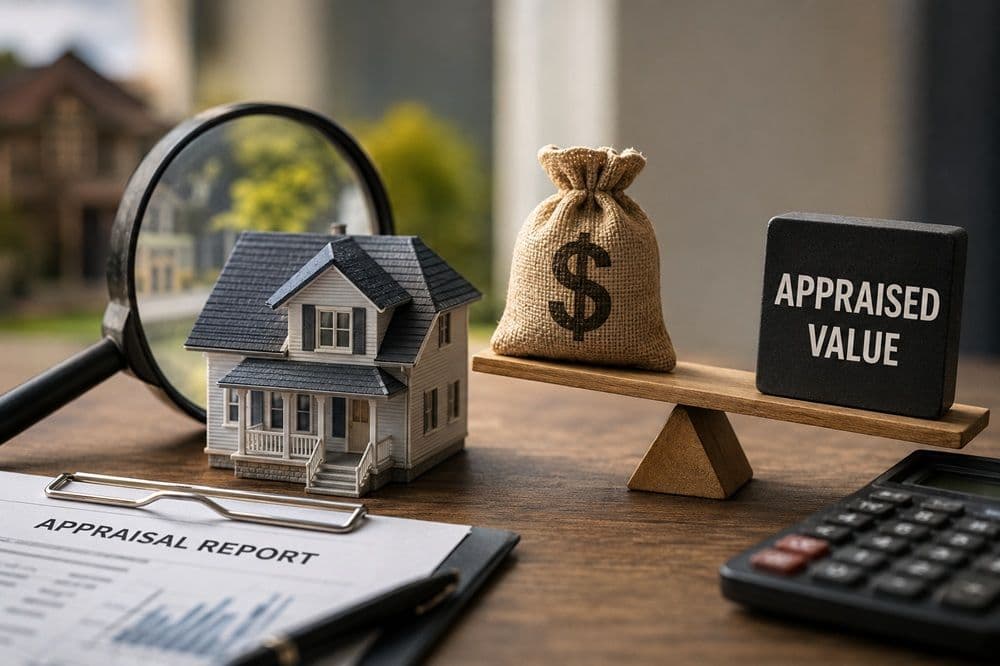
An appraisal gap in real estate happens when the appraised value is lower than the agreed purchase price.
For financed buyers, the lender usually underwrites against the appraised value, not only the contract price.
A low appraisal can force the buyer to bring more cash, the seller to reduce price, both parties to renegotiate, or the transaction to fail.
The highest offer is not always the strongest offer if the buyer cannot cover appraisal risk.
Buyers should understand appraisal contingency language before weakening or waiving protection.
Sellers should evaluate whether a high offer is supported by comparable sales, buyer cash reserves, and appraisal gap coverage.
An AI real estate intelligence platform like GRAI can help buyers and sellers structure appraisal risk analysis before the deal reaches a pressure point.
Most buyers think the accepted offer price is the price.
It is not always that simple.
In a financed home purchase, there are usually three numbers that matter. The first is what the buyer is willing to pay. The second is what the seller is willing to accept. The third is what the lender believes the property is worth.
When those three numbers line up, the transaction feels clean. When they do not, the deal can become stressful very quickly.
That is the appraisal gap.
An appraisal gap happens when the property appraises for less than the contract price. The buyer may love the home. The seller may have accepted the offer. The agents may be working toward closing. The moving plans may already be in motion. But if the lender does not support the contract value, the deal suddenly needs a solution.
This is why the seller accepting the offer is an important milestone, but it is not the only approval that matters.
If a lender is involved, the bank still has to agree that the property supports the number.
A home price is not one number. It is a negotiation between several views of value.
The buyer may value the home based on urgency, lifestyle fit, school district, scarcity, fear of losing the property, or emotional attachment. The seller may value the home based on recent offers, neighbor sales, renovation cost, personal expectations, or what they need to net from the sale.
The lender views the property differently.
The lender wants to know whether the collateral supports the loan. That means the appraisal becomes part of the mortgage underwriting process. The appraiser reviews the property, analyzes comparable sales, adjusts for relevant differences, and provides a professional opinion of value.
If that opinion comes in below the contract price, the lender may not finance the transaction at the original assumptions. The buyer and seller may still agree on the price, but the lender may not support the full amount.
This is the point many buyers misunderstand. The bank is not approving the buyer’s emotions. It is underwriting collateral.
Imagine a buyer offers $525,000 for a home.
The seller accepts.
The buyer plans to make a down payment and finance the rest.
Then the appraisal comes in at $500,000.
Now there is a $25,000 appraisal gap.
That gap does not disappear because the buyer and seller agreed to $525,000. Someone has to deal with it.
The buyer may bring additional cash to closing. The seller may reduce the sale price. Both sides may split the difference. The buyer may challenge the appraisal if there are factual errors or missing comparable sales. Or the buyer may walk away if the contract allows it.
The available options depend on the contract, lender, buyer cash reserves, seller flexibility, appraisal report, and local market context.
The important point is simple: a winning offer is not always a closable offer.
Appraisal gaps can happen for several reasons.
The first reason is market momentum. In a fast moving market, buyers may bid above recent comparable sales. Appraisers often rely heavily on closed sales, not only active listings or buyer excitement. If the latest comparable sales are lower than today’s bidding environment, the appraisal may lag the market.
The second reason is limited comparable data. A unique home, unusual layout, rural location, custom renovation, large lot, accessory unit, or rare view can be harder to value. If there are few similar recent sales, the appraiser has less direct evidence.
The third reason is property condition. A buyer may be willing to overlook deferred maintenance, but the appraiser may account for it. Poor maintenance can affect value, especially if it creates lender concern.
The fourth reason is overbidding. Buyers sometimes stretch in competitive markets because they want to win. The winning bid may reflect scarcity and emotion more than market support.
The fifth reason is appraisal quality or missing context. Appraisers can make mistakes. Square footage may be wrong. A renovation may not be understood. A comparable sale may be inappropriate. A relevant nearby sale may be missed. If there are factual errors, the buyer may have grounds to request a review.
The sixth reason is structural valuation bias. Freddie Mac research has found that appraisal values are more likely to fall below contract price in census tracts with higher shares of Black and Latino households. That means appraisal gaps are not only a deal mechanics issue. In some cases, they also raise broader questions about market fairness and valuation systems.
The appraisal contingency is one of the most important protections in a financed offer.
In simple terms, it may allow the buyer to renegotiate or exit the transaction if the home appraises below the contract price. The exact language varies by contract and jurisdiction, so buyers should review it with their agent, lender, and attorney where appropriate.
The risk increases when buyers waive the appraisal contingency or agree to cover a gap without understanding the cash requirement.
In a competitive market, waiving protections can make an offer more attractive. But it also shifts risk to the buyer. If the appraisal comes in low, the buyer may have fewer options and may need additional cash to close.
This is especially dangerous for buyers with limited reserves.
A buyer may have enough cash for the down payment and closing costs, but not enough to cover a surprise appraisal gap. That can create a painful choice: find more cash, renegotiate from a weaker position, or risk losing the deal and possibly the earnest money depending on the contract.
Before weakening appraisal protection, buyers should know exactly how much cash they can use without creating financial stress after closing.
The question is not only, “Can I win the home?”
The better question is, “Can I still close if the lender values the home lower than my offer?”
Sellers often focus on the highest price. That is natural, but it can be incomplete.
A very high financed offer may look better than every other offer. But if the price is far above recent comparable sales and the buyer has limited cash, the appraisal may become the weak point.
A slightly lower offer with stronger financing, larger cash reserves, clearer appraisal gap coverage, or a higher down payment may sometimes be more reliable.
This is why sellers should evaluate both price and certainty.
A seller should ask whether the offer is likely to appraise, whether the buyer can cover a shortfall, whether the buyer has included appraisal gap language, and whether the lender profile appears strong.
The highest offer is not always the cleanest offer.
For sellers, appraisal risk is closing risk. If the appraisal comes in low and the buyer cannot bridge the gap, the seller may face renegotiation, delay, or a failed transaction. The home may then return to market with questions from future buyers.
That does not mean sellers should reject strong offers. It means they should understand what makes an offer strong.
Use GRAI to compare multiple offers by price, appraisal risk, and closing certainty before you choose a buyer: https://internationalreal.estate/chat
Before offering above recent comparable sales, buyers should slow down and run a basic appraisal risk check.
Start with comparable sales. Look at recently closed homes that are genuinely similar in location, size, condition, age, lot, layout, and features. Active listings are useful, but closed sales usually carry more weight in appraisal analysis.
Then review the difference between the asking price, likely market value, and your intended offer. If your offer is meaningfully above the strongest comparable sales, understand why.
Next, ask how much cash you could use if the appraisal comes in low. This should not include your entire emergency fund. A home that requires every available dollar before closing may leave you fragile after closing.
Then review your contingency language. Know what happens if the appraisal is below contract price. Know whether you can renegotiate, cancel, or must proceed. Do not assume.
Finally, ask whether you would still want the home if the lender says it is worth less than your offer. That question is uncomfortable, but useful.
The answer may still be yes. A buyer may decide that the home is worth the premium because of location, scarcity, lifestyle, or long term plans. But that should be a conscious decision, not a surprise created by a low appraisal.
Sellers should also run appraisal risk analysis before accepting an offer.
Start by asking whether the offer is supported by recent comparable sales. If the offer is well above local evidence, ask what gives the buyer confidence.
Then review the buyer’s financing structure. A larger down payment and stronger reserves can reduce risk, although they do not eliminate it.
Next, look for appraisal gap coverage. Some buyers may agree to cover a specific amount if the appraisal comes in low. Others may waive appraisal protection entirely. The details matter, and sellers should review them carefully with their agent or attorney.
Then consider backup strength. If the highest offer fails, how strong is the next buyer? Would relisting create momentum or suspicion? Would the market still support the original price?
Finally, distinguish between a high offer and a high probability closing.
A seller does not simply need a number. The seller needs a buyer who can close at that number.
Appraisal risk is not only a personal finance issue. It can also reflect deeper market structure problems.
Freddie Mac research found that properties in Black and Latino census tracts were more likely to receive appraisal values below contract price than properties in White tracts. The same research found that the gap increased as the concentration of Black or Latino individuals in the tract increased.
This matters because a low appraisal can affect who gets financing, how much wealth a household can build, and whether a transaction closes. When appraisal gaps are more common in certain communities, the issue becomes larger than one deal.
That does not mean every low appraisal is wrong or biased. Appraisals are based on methods, evidence, comparable sales, and professional judgment. But it does mean buyers, sellers, lenders, and policymakers should treat valuation gaps seriously.
For individual buyers and sellers, the practical lesson remains the same: review the appraisal carefully, check for factual errors, compare the comparable sales used, and ask informed questions.
Most buyers and sellers do not need more noise. They need better structure.
Appraisal risk sits at the intersection of property valuation, buyer financing, comparable sales, market momentum, lender rules, contract language, and negotiation strategy. That is a lot for one person to process under deadline pressure.
As an AI real estate intelligence platform, GRAI helps users turn appraisal uncertainty into structured due diligence questions.
A buyer can use GRAI to review whether an offer price appears exposed to appraisal risk based on comparable sales, property condition, local market momentum, and financing assumptions.
A seller can use GRAI to compare multiple offers not only by price, but by closing certainty, buyer cash reserves, appraisal gap language, and likely valuation support.
An investor can use GRAI to evaluate whether the contract price is supported by market evidence, rental assumptions, and exit value.
The goal is not to replace appraisers, lenders, agents, or attorneys. The goal is to help people ask better questions before the deal reaches a stressful point.
Good AI property valuation should not simply produce a number. It should explain the risk around the number.
Use these prompts inside GRAI to structure appraisal risk before the deal is under pressure.
“Analyze whether this offer price is at risk of an appraisal gap based on recent comparable sales, property condition, market momentum, buyer competition, and financing assumptions.”
“Create a buyer due diligence checklist for appraisal risk before I waive or weaken the appraisal contingency.”
“Compare the seller’s asking price, likely appraised value, contract price, and buyer cash risk if the lender values the property below the agreed price.”
“Review this appraisal report and identify possible factual errors, weak comparable sales, missing local context, or valuation assumptions I should discuss with my agent and lender.”
“Compare these offers from a seller perspective. Evaluate price, appraisal risk, buyer financing strength, gap coverage, cash reserves, and probability of closing.”
Evaluate your own appraisal contingency, gap coverage, and comparable sales using these GRAI prompts before you sign: https://internationalreal.estate/chat
Buyers can use a simple five question framework before making an aggressive financed offer.
First, what recent closed sales support the price?
Second, how far above those comparable sales am I going?
Third, how much appraisal gap can I cover without harming my post closing financial safety?
Fourth, what does my contract say if the appraisal comes in low?
Fifth, would I still feel comfortable buying this home if the lender values it below my offer?
This framework does not remove risk, but it makes the risk visible.
That visibility matters.
A buyer may still decide to proceed. But they should proceed knowing whether they are making a valuation decision, a lifestyle decision, or a competitive bidding decision.
Those are not the same thing.
Ask GRAI to stress test your next financed offer for appraisal gaps, cash exposure, and closing risk in minutes: https://internationalreal.estate/chat
Sellers can also use a five question framework before accepting a high financed offer.
First, is the offer supported by comparable sales?
Second, does the buyer have enough cash to cover a valuation shortfall?
Third, does the contract include appraisal gap language?
Fourth, how likely is the lender to support the price?
Fifth, if this offer fails, what is the strength of the next best option?
This helps the seller evaluate certainty, not just price.
A very high offer may be worth accepting, but only if the seller understands the closing risk.
If the appraisal comes in below the contract price, the first step is to get the report and review it carefully.
Look for factual mistakes. Check square footage, bedroom and bathroom count, lot size, property condition, upgrades, permits, and comparable sales. Ask whether the selected comparable sales make sense. If something appears wrong, the buyer may be able to ask the lender about a reconsideration process.
The second step is to understand the contract. Does the buyer have an appraisal contingency? Is there appraisal gap coverage? What deadlines apply? What notices are required?
The third step is to evaluate options. The seller can reduce the price. The buyer can bring more cash. Both parties can split the difference. The buyer can seek a review or second opinion where available. The buyer may cancel if allowed by the contract.
The fourth step is to avoid emotional decision making. A low appraisal can feel insulting to a seller and alarming to a buyer. But the better response is structured negotiation.
The appraisal has changed the deal math. The question is how both sides want to respond.
An appraisal gap in real estate happens when the appraised value of a property is lower than the contract price agreed by the buyer and seller. The gap is the difference between the appraised value and the purchase price.
An appraisal gap matters because a lender usually bases the loan on the appraised value rather than only the contract price. If the appraisal is lower than the offer, the buyer may need more cash, the seller may need to reduce price, or both sides may need to renegotiate.
The answer depends on the contract and negotiation. The buyer may cover the gap with additional cash. The seller may reduce the price. Both parties may split the difference. In some cases, the buyer may walk away if protected by an appraisal contingency.
An appraisal contingency is contract language that can protect a buyer if the property appraises below the agreed purchase price. It may allow the buyer to renegotiate or cancel the transaction under certain conditions. Exact terms vary by contract and jurisdiction.
Waiving or weakening the appraisal contingency can make an offer more competitive, but it increases buyer risk. Buyers should understand their cash reserves, contract language, and possible appraisal gap exposure before giving up protection.
Sellers can reduce appraisal gap risk by pricing with strong comparable sales, reviewing buyer financing strength, evaluating down payment and cash reserves, understanding any appraisal gap clause, and choosing offers based on both price and closing certainty.
AI can help buyers and sellers organize comparable sales, market context, offer price, property condition, financing assumptions, and contract risk into clearer questions. GRAI supports AI property valuation and AI due diligence for real estate by helping users evaluate appraisal risk before it becomes a closing problem.
Not necessarily. An appraisal is a professional opinion of value based on available evidence, comparable sales, property condition, and methodology. It can be useful, but it can also miss context or contain errors. Buyers and sellers should review appraisal reports carefully and discuss concerns with qualified professionals.
The accepted offer price is not always the final value. It is the price the buyer and seller agreed to try to close at.
If financing is involved, the lender still has to underwrite the property. That means the appraisal can become one of the most important moments in the transaction.
For buyers, the appraisal gap is a cash risk. For sellers, it is a closing risk.
For both sides, it is a reminder that real estate value is not only emotional, negotiated, or competitive. It also has to survive underwriting, comparable sales, and market evidence.
The smartest buyer is not only the one who wins the home. It is the one who understands whether the price can be financed.
The smartest seller is not only the one who gets the highest offer. It is the one who understands whether the offer can close.
That is where better real estate intelligence matters.
GRAI helps buyers, sellers, and investors move beyond surface level pricing and into deeper AI property insights, appraisal risk analysis, and due diligence before the transaction reaches a breaking point.
Because in real estate, the seller may accept your offer. But if the bank is involved, the bank still has to agree.


